 By
By 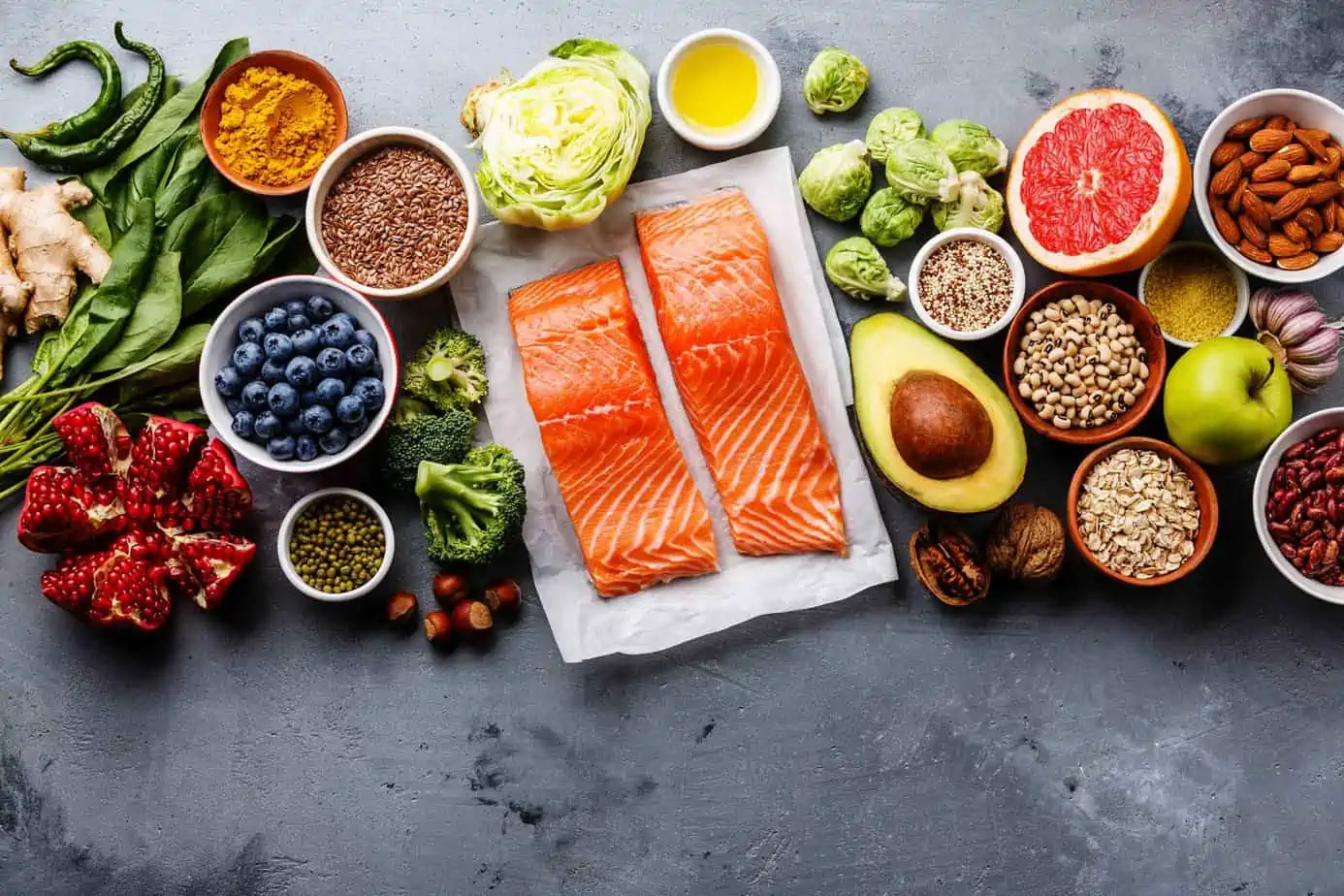
The journey to recovery from drug and alcohol addiction is profoundly supported by proper nutrition, which is a foundational pillar for comprehensive healing of the body and mind. Substance abuse creates severe nutritional deficiencies and metabolic problems, but a balanced recovery diet rich in complex carbohydrates, protein, and healthy fats directly supports brain chemistry, restores neurotransmitter balance, stabilizes blood sugar, and significantly reduces cravings and the risk of relapse. Focusing on nutrient-dense foods, hydration, and consistent meal planning helps rebuild the body and brain for lasting sobriety.
The journey to recovery from drug and alcohol addiction is a challenging climb, and it’s easy to focus solely on abstaining from substance use. But what if we told you that one of the most powerful tools for lasting sobriety is right on your plate? It’s true: what you eat matters in recovery.
Recovery isn’t just about stopping substance use; it’s about comprehensive healing of the body and mind. Proper addiction nutrition is a foundational pillar that supports emotional stability, reduces cravings, restores physical health, and significantly increases the likelihood of long-term sobriety. Read on to learn about how food and sobriety work together to create sustainable wellness and healing.
The Profound Impact of Addiction on Nutritional Status
Addiction creates a cascade of nutritional deficiencies and metabolic problems that persist long after substance use ends. When individuals are actively using drugs or alcohol, their bodies experience catastrophic nutritional damage. Substances interfere with the body’s ability to absorb, process, and utilize essential nutrients, while simultaneously creating chaotic eating patterns.
People who use drugs often consume infrequent, unbalanced meals that are high in refined carbohydrates and sugar while being extremely low in fruits, vegetables, and essential nutrients. Cocaine users typically develop highly irregular eating patterns, often consuming just one meal per day late at night, dominated by refined carbohydrates and unhealthy fats with virtually no nutritious vegetable content. The brain’s reward system is hijacked by the addictive substance to the point that hunger signals are suppressed and normal appetite regulation ceases to function.
Research indicates that up to half of the people entering detox show significant nutritional deficiencies. The spectrum of these deficiencies is staggering and includes
- Vitamin D
- Vitamin C
- Vitamin A
- B vitamins (particularly thiamine, folate, B6, and B12)
- Iron
- Magnesium
- Zinc
- Potassium
- Selenium
- Calcium
Each of these deficiencies creates its own constellation of physical and psychological problems that can significantly hinder recovery progress and increase vulnerability to relapse.
The Mechanics of How Nutrition Supports Recovery and Sustains Sobriety
One of the most compelling reasons why nutrition matters profoundly in recovery is that food directly impacts brain chemistry and the brain’s ability to heal itself after prolonged substance use. Addiction damages neuroplasticity, making it much harder for the brain to adapt to sobriety and create new, healthier patterns of thinking and behavior. Fortunately, adequate nutrition can improve neuroplasticity by helping the brain replenish normal levels of neurotransmitters and restore the neural pathways disrupted by addiction.
Carbohydrates, often demonized in popular diet culture, actually serve a crucial function in recovery by helping the brain produce serotonin, the neurotransmitter necessary for a stable mood, healthy sleep, and reduced cravings for drugs or alcohol. Amino acids, obtained from protein-containing foods, are the building blocks from which the brain constructs the neurotransmitters dopamine and norepinephrine. Dietary fats facilitate the regeneration of neuroplasticity by reducing inflammation and protecting the integrity of cell membranes throughout the brain.
Those recovering from addiction who consume a balanced recovery diet rich in complex carbohydrates, adequate protein, and healthy fats literally give their brains the raw materials needed to repair themselves and rebuild the neurotransmitter systems that addiction damages.
One of the most immediate and noticeable benefits that individuals experience when they begin eating nutritiously during recovery is a dramatic improvement in mood and energy levels. When substance use stops, the brain experiences a neurochemical crash where dopamine levels plummet, serotonin levels are inadequate, and the brain struggles to produce the neurochemicals necessary to generate feelings of pleasure, motivation, or wellbeing.
Eating regular, balanced meals at consistent times throughout the day stabilizes blood sugar, mood, and the neurochemical environment, significantly reducing cravings and the impulse to relapse. When an individual in active addiction has spent months or years eating irregularly, their body’s blood sugar regulation becomes severely dysfunctional.
Research has clearly demonstrated that people withdrawing from alcohol and cocaine can help lower their risk of relapse by eating foods containing essential fatty acids, omega-6 and omega-3, and more broadly, that people are significantly more likely to relapse when they have poor eating habits.
Critical Nutrients and Foods That Support Recovery and Combat Withdrawal
Creating an effective diet for recovery requires understanding which specific nutrients deserve particular attention and why.
- B-complex vitamins deserve special emphasis because they are so profoundly depleted by substance abuse and so essential for energy production, neurological function, and mood regulation
- Amino acids deserve equally significant attention in a recovery nutrition plan because they are the direct precursors to many of the neurotransmitters that addiction disrupts.
- Minerals are equally important as vitamins in recovery nutrition, as they regulate countless bodily functions and are profoundly depleted by substance abuse.
Certain foods have emerged as particularly valuable for recovery nutrition because they provide multiple recovery-supporting nutrients in forms that are easily digestible and readily available. Fatty fish such as
- Salmon
- Mackerel
- Herring
- Sardines
- Anchovies
These all contain omega-3 fatty acids that are linked to lower rates of depression, help reduce inflammation, improve mood, and can be found in various forms, including fresh fish, canned options, and fish oil supplements. Leafy green vegetables such as
- Spinach
- Kale
- Parsley
These are among the most nutrient-dense foods available and deserve a prominent place in any recovery eating plan. Bananas are both convenient and nutrient-dense, providing potassium, magnesium, vitamin B6, and vitamin C, and importantly, they contain the amino acid tryptophan, which is necessary for the production of serotonin needed for healthy sleep.
Blueberries and other antioxidant-rich berries help rebuild the immune system and help cleanse the body of harmful substances during detox and withdrawal by providing abundant antioxidants that combat free radicals and other toxins. Whole grains such as
- Brown rice
- Quinoa
- Oats
- Whole wheat products
These provide complex carbohydrates that
- Keep blood sugar stable
- Help balance serotonin levels in the brain
- Provide necessary fiber for digestive health
- Contains B vitamins essential for energy production
While whole foods should form the foundation of any recovery nutrition plan, targeted supplementation can accelerate nutrient restoration and provide particularly valuable support during the intense early stages of recovery when appetite may be limited or digestion impaired.
One of the most extensively researched supplements for addiction recovery is N-acetylcysteine (NAC), an antioxidant that appears promising as a treatment in patients with substance use disorder because it helps rebalance glutamate levels in the central nervous system. Omega-3 fatty acids supplementation at higher doses has demonstrated particular promise for individuals in recovery with depression and inflammatory markers.
Addressing Sugar Cravings and Managing Nutrition and Relapse Risk
One of the most consistent and challenging phenomena that individuals in recovery encounter is intense, sometimes overwhelming cravings for sugar and simple carbohydrates, particularly in the first weeks and months of sobriety. Both addictive substances and sugar activate the same reward pathways and trigger dopamine signals in the brain, making sugar particularly tempting for people whose dopamine reward networks have been compromised by addiction.
Taking Control of Your Recovery Through Nutrition
Eating in rehab and maintaining a post-rehab diet are crucial steps toward a healthy recovery. Understanding the importance of hydration for detox and recovery, balancing blood sugar to reduce cravings in sobriety, and implementing meal prepping tips for people in recovery can make a significant difference. Even eating healthy on a budget during alcohol recovery is possible with careful planning.
What Should I Eat to Feel Better After Quitting Alcohol?
Focus on nutrient-dense foods, stay hydrated, and prioritize regular meals. If you have sustained liver damage, ask your physician about supplements that may help.
Are There Foods That Help with Cravings During Recovery?
Yes! Protein-rich foods, complex carbohydrates, and healthy fats can help stabilize blood sugar and reduce cravings.
What Vitamins and Supplements Are Good for Sobriety?
B-complex vitamins, vitamin D, omega-3 fatty acids, and NAC can be beneficial.
Can a Poor Diet Cause a Relapse in Drug Recovery?
It can certainly be a factor. Unstable blood sugar, nutrient deficiencies, and cravings can all increase the risk of relapse.
What are Quick Healthy Meals for Early Sobriety?
Greek yogurt with berries and nuts, a whole-wheat wrap with hummus and vegetables, or a smoothie with protein powder and spinach are great options
How to Fix Digestion Problems After Alcoholism?
Focus on easily digestible foods, probiotics, and stress management techniques. Best foods to repair the brain after drug addiction: Fatty fish, leafy greens, berries, and whole grains are excellent choices.
Sober eating is a lifestyle, not a temporary fix. By prioritizing addiction nutrition, you’re giving yourself the best possible chance at a fulfilling and lasting recovery.
Action Steps
- Consult a registered dietitian: Get personalized guidance on your specific nutritional needs.
- Plan your meals: Meal prepping can help you stay on track and avoid impulsive, unhealthy choices.
- Stay hydrated: Carry a water bottle with you and sip throughout the day.
- Listen to your body: Pay attention to your cravings and address them with healthy alternatives.
- Be patient: It takes time to rebuild your body and brain after addiction.
If you or someone you know is struggling with substance abuse, Mountainside can help. We offer individualized and comprehensive treatment that meets people where they are. Speak with an admissions specialist today to discover your options!
If you or a loved one is struggling with addiction, Mountainside can help.
Click here or call (888) 833-4676 to speak with one of our addiction treatment experts.