 By
By 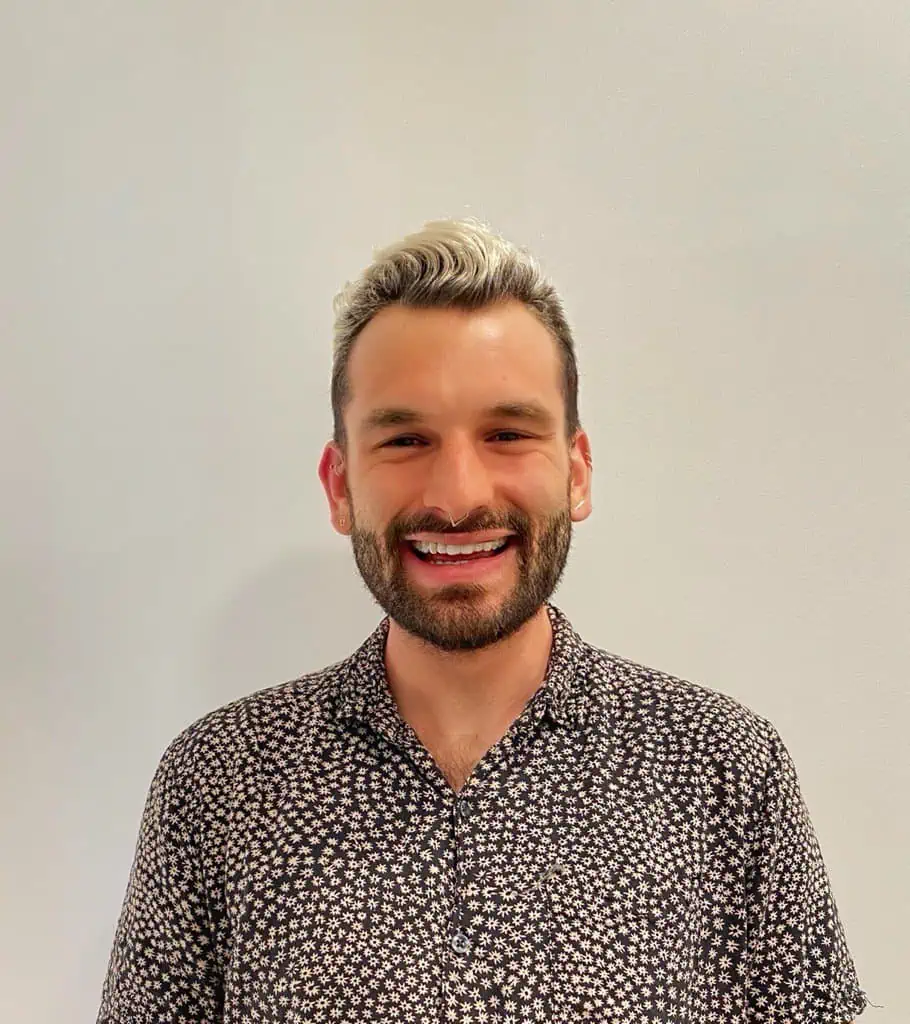
- Sobriety Date: November 3, 2018
- Proud LGBTQ+ Member and Activist
- Outgoing Personality
- Theater Enthusiast
Vincent went from using drugs and alcohol to cope with his sexuality to learning how to treat himself with love and compassion. Find out what his life looks like now as a Mountainside Recovery Coach empowering LGBTQ+ individuals who are living through similar experiences.
Transcript
Vincent, initially struggling to accept his sexuality, turned to substances for connection and emotional relief. Through a transformative journey, he found recovery and now serves as a Mountainside recovery coach, empowering LGBTQ+ clients to love themselves and embrace recovery.
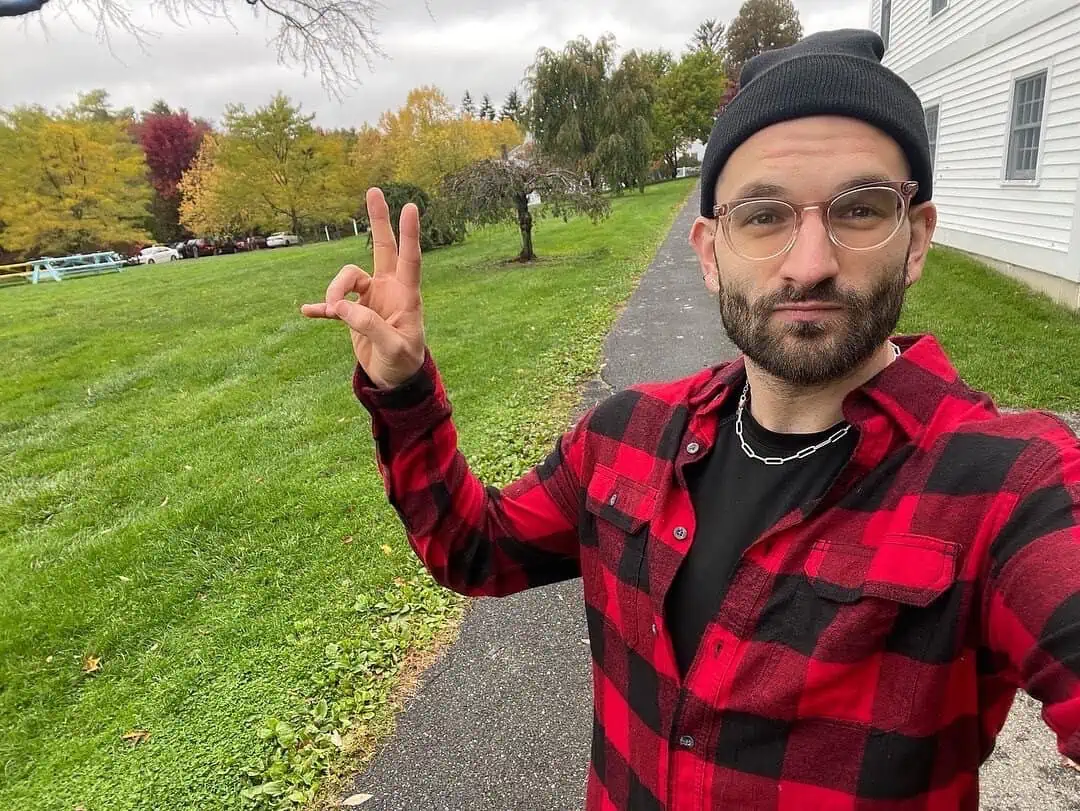
Hi, my name is Vincent. I am a person in recovery. I’ve been in recovery as a whole since March of 2018, but I have been continually abstinence since November 3rd of 2018. I truly think drugs and alcohol saved me from a very dark place and saved me from doing dark things in high school. My sexuality and my addiction are two stories that I have a hard time telling separate because they had such an effect on each other in positive and negative ways.
I knew I was gay in middle school, but high school I was made fun of ruthlessly for being gay, even though I was in the closet. But that’s a whole another story for therapy. Drugs and alcohol really came into the picture after I graduated high school. I first drank at 18. I first did drugs at 20 and I was in rehab by 25. So I would say it was a very late bloomer and a fast burner, which now I’m grateful for. But at the time it was very like, wow, how did I get here so quick?
Drugs and alcohol really came into the picture at the same time that I was actually coming out of the closet and the two really got intertwined. Drinking gave me access to the gay bars and that social life. It released that shame and it connected me with other men.
 The thing about addiction for me is that it was something I was immediately good at and got a lot of praise and validation and recognition for. I could drink really well and I could do a lot of substances and people recognize that and honestly feel validated.
 It was a status for me. It was a way to socialize. It was a way feel worthy.
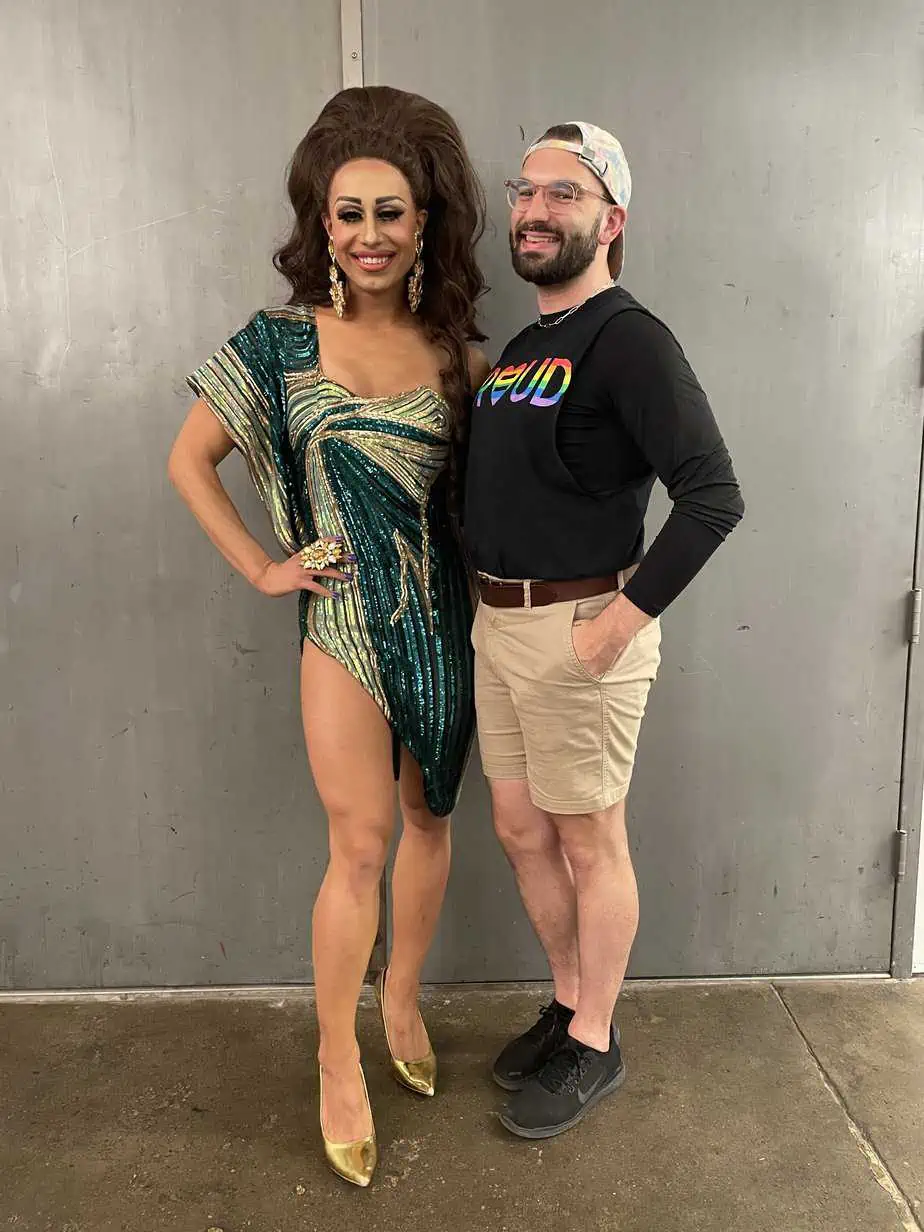
To be completely honest, substances were the way that I found acceptance towards that and then that way that I found actually started to kill me as well. Now I am like very happy and proud. And a part of the queer community in a very visible way and in a way that I have fully accepted. I’m also very proud and visible in my recovery, which is also something that I have very much accepted and and don’t mind being identified as, which is a blessing.
I was very good at intellectualizing recovery. I was not very good at living recovery. Like I believed what people were telling me but I don’t know if I really believed that I could do it.
My whole theme for the first year was what if you did the thing you never did and got the thing you never got.
Recovery wasn’t about becoming someone who I used to be. It was really about becoming someone who I always could be.
 Unfortunately, I needed that level of pain to motivate me to live up to this potential. And yes, it’s unfortunate. But now instead of judging myself for what I needed, I’m more I’m just like, alright, I needed what I needed and look what I have now.
Taking my own pain and suffering or my own discomfort and not minimizing it, but really looking at it for what it is, which is, I’m not the only one who’s going through this.
It is the human experience to experience pain. It is not the human experience to hold on to it and be defined by it.
 I got sober in New Hampshire. I originally went to college in New York City. I’d also done addiction treatment in New York City but I always wanted to go back to New York. But I never knew if it was for me, if I could handle it. And I came here on vacation. And it was the first time I had been back to New York since I had left. I was like, alright, like I have changed, I have done enough work on myself.
When I think of who I was, the fact that I was able to quicky get a job, pack up my life and move states in the course of 30 days and have it go successfully. Like who am I again?
The capacity I have to handle life has grown exponentially. Recovery was not returning to something. It was discovering this.
Recovery was living up to potential. It was challenging myself and growing and becoming someone I didn’t even know I could be.
The way I challenge my own thinking, the way I allow myself to dream today, the way I allow myself to feel. Recovery for me is a journey towards loving myself. The way I’m able to love and accept myself holistically for being gay, for being an addict, for being funny, for being a loud person, for having a big personality. The way I can, love and accept all of these facets of myself really is a testament to the changing power of recovery and being a part of this community.
Without addiction I could never have found my sexuality. Without recovery, I could never have accepted my sexuality and those two things are going to be forever intertwined for me.
But today I get to sit with people and be like this may have not been the hand of cards you wanted dealt to you, but they were dealt and we’re going to do something about it.
Want to be featured? If you are a Mountainside alumni interested in sharing your recovery story with us, please email kevin.doyle@mountainside.com
If you or a loved one is struggling with addiction, Mountainside can help.
Click here or call (888) 833-4676 to speak with one of our addiction treatment experts.