 By
By Narcotics Anonymous (NA) is a global, community-based, 12-step program for addiction recovery, established by Jimmy Kinnon in 1953 as an inclusive fellowship for all substance addictions. The program is spiritual, not religious, embracing a “Higher Power” and providing various free, voluntary-participation meetings (open and closed) where members can share their experience, strength, and hope.
Are you grappling with drug addiction and searching for a path to addiction recovery? Perhaps you’ve heard about Narcotics Anonymous (NA) and are curious, or maybe even a little apprehensive about attending your first meeting. You’re not alone. Many people feel the same way. Read on to learn about a comprehensive overview of NA meetings, from NA history to what you can expect when you walk through the door.
Narcotics Anonymous has become a global beacon of hope, offering a supportive, community-based approach to recovery through its structured 12-step programs. With tens of thousands of weekly meetings across the globe, NA provides a vital lifeline for those seeking sustained sobriety support. Let’s demystify the NA experience and help you decide if it’s right for you.
How Did Narcotics Anonymous Start?
Understanding the history of Narcotics Anonymous origins can provide valuable context. NA emerged from the Alcoholics Anonymous (AA) program. While AA focused solely on alcohol addiction, a need arose for a fellowship that addressed addiction to all substances. Who founded Narcotics Anonymous? The answer is Jimmy Kinnon, along with others struggling with addiction, who recognized this gap and started NA in 1953.
Jimmy Kinnon understood that addiction transcended specific substances. His vision was to create a space where anyone struggling with any drug could find support. He adapted the AA Twelve Steps, changing the language to focus on powerlessness over addiction, not just alcohol. This inclusive approach has been a cornerstone of NA ever since.
NA vs AA Differences Explained
While both are drug rehab groups rooted in the 12-step philosophy, significant differences exist between NA and AA. The most obvious is the focus. AA addresses alcohol addiction, while NA addresses addiction to any substance. This difference extends to the language used. In AA, members identify as “alcoholics,” while in NA, they identify as “addicts.” NA also uses the term “clean” instead of “sober,” acknowledging that many members have struggled with multiple substances.
While both emphasize spiritual principles, NA often places greater emphasis on individual responsibility and empowerment. This balance makes NA meetings accessible to individuals from diverse backgrounds and belief systems.
NA as a Spiritual, Not Religious Organization
Is Narcotics Anonymous a religious organization? The answer is a resounding no. NA is a spiritual program, not a religious one. It embraces spiritual principles applicable across all belief systems without advocating for any specific religious doctrine. The “Higher Power” in NA can be anything an individual understands to be a source of strength beyond themselves, whether it be a traditional deity, the group itself, nature, or science.
What Happens at an NA Meeting?
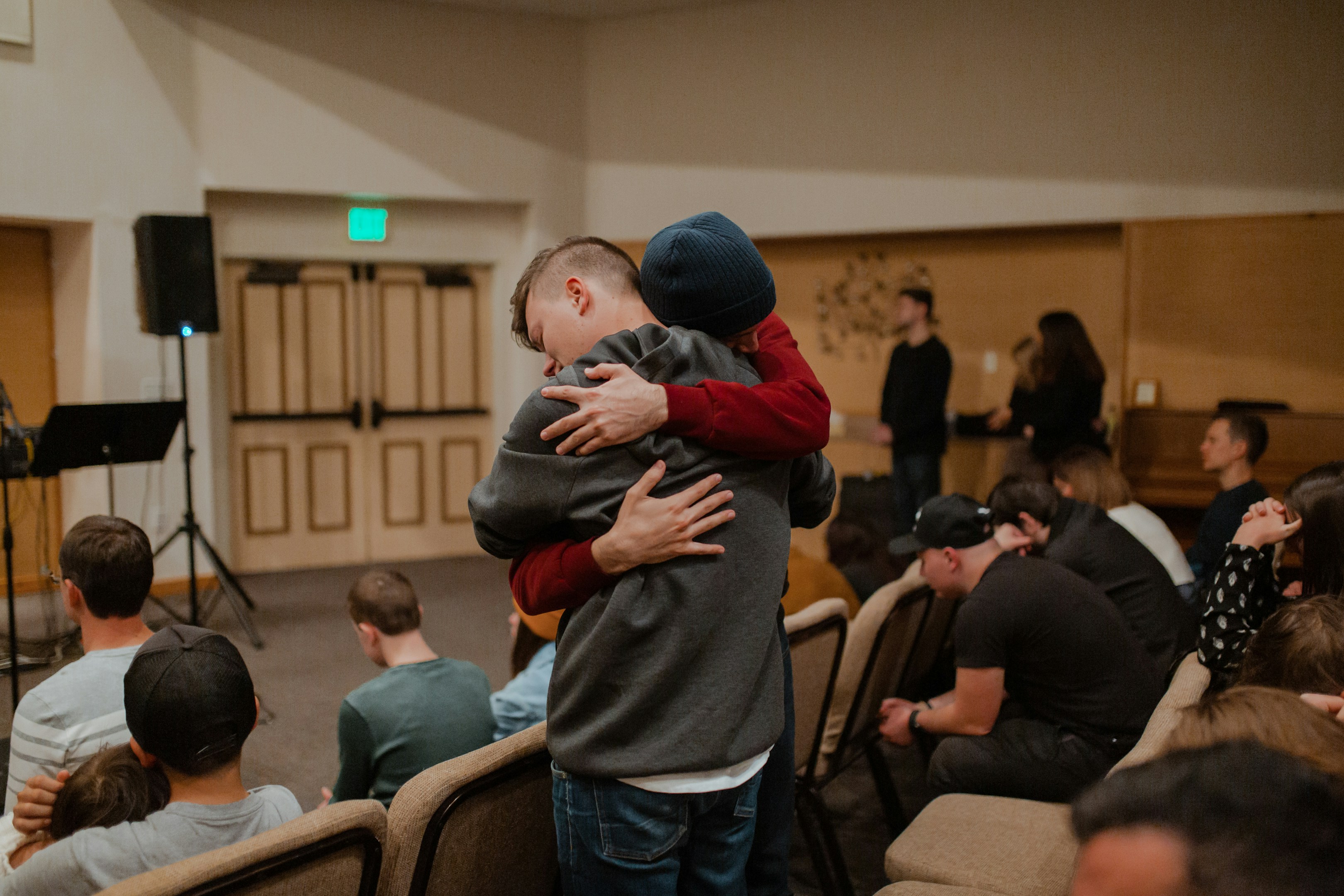
So, what should I expect at my first NA meeting? It’s normal to feel anxious. Most meetings begin with a moment of silence and the Serenity Prayer. The group leader introduces themselves and welcomes everyone. Then, standard NA literature is read, outlining the program’s principles. Members celebrating milestones in their “clean time” are often recognized.
The core of the meeting is sharing. Attendees share their experiences with addiction and recovery, focusing on how the program has affected their lives. Speakers emphasize experience, strength, and hope, rather than detailing past drug use. It’s a safe space to be vulnerable and connect with others who understand.
Do I have to speak at an NA meeting? No. Participation is entirely voluntary. You can simply listen and observe. Many find it helpful to attend several meetings before sharing.
NA Meeting Etiquette for Beginners
Understanding NA meeting etiquette for beginners can ease your first experience. Respect for others and the shared space is paramount. Keep voices low, minimize profanity, and avoid side conversations when someone is sharing.
Physical boundaries are also important. While hugs are common, you should never feel pressured to participate. A simple handshake is always acceptable.
Open and Closed Meetings: Understanding the Difference
What is the difference between open and closed NA meetings? Open meetings are open to anyone: addicts, family members, professionals, or anyone interested in learning about NA. Closed meetings are restricted to individuals who identify as addicts or those who think they might have a drug problem. Closed meetings offer a safer space for more vulnerable sharing.
Can I bring a friend to an NA meeting? Yes, you can bring a friend, but only to open meetings.
NA Meeting Formats and Types
NA meeting formats and types vary. Common formats include discussion meetings, speaker meetings, topic discussions, literature study meetings, beginners’ meetings, step meetings, and traditions meetings. Some meetings cater to specific populations, such as young people, women, LGBTQ+ individuals, or those with chronic illnesses.
The Evolution of the NA Basic Text
The evolution of the NA Basic Text is a testament to the collaborative spirit of the fellowship. Unlike earlier literature written by a small group, the Basic Text emerged from a massive collaborative effort involving hundreds of recovering addicts. This text, translated into over thirty languages, serves as the primary educational resource for recovery worldwide.
Accessing Narcotics Anonymous Support
Finding local NA support groups is easier than ever. The official NA website has a searchable meeting finder. Many local NA areas also maintain community websites and phone numbers.
Are NA meetings free to attend? Yes, NA meetings are free to attend. NA operates on a voluntary contribution basis. There are no membership fees or dues.
If you’re struggling with drug addiction, NA offers a free, accessible, and proven path to recovery. Understanding the program’s history, principles, and meeting formats can help you overcome any apprehension and embrace this powerful resource. Remember, the only requirement for membership is a desire to stop using drugs.
If you or someone you know is struggling with substance abuse, Mountainside can help. We offer individualized and comprehensive treatment that meets people where they are. Speak with an admissions specialist today to discover your options!
If you or a loved one is struggling with addiction, Mountainside can help.
Click here or call (888) 833-4676 to speak with one of our addiction treatment experts.