 By
By 
Managing anxiety is a crucial part of drug and alcohol recovery, as heightened anxiety is common, particularly in early sobriety due to brain changes and post-acute withdrawal syndrome (PAWS). The article outlines five evidence-based strategies to calm down: employing grounding and breathing techniques, practicing mindfulness, embracing holistic recovery through exercise and proper sleep/nutrition, and building a strong support system. By being patient and consistently utilizing these non-habit-forming coping skills, individuals can learn to manage anxiety and thrive in their sober lives.
Anxiety in recovery can feel like a relentless storm, especially when you’re navigating the challenging path of drug and alcohol recovery. You’re not alone. Many in recovery experience heightened anxiety, particularly in early sobriety. It’s a common hurdle, but one you can overcome. Learning to manage anxiety is a crucial part of maintaining sobriety and building a fulfilling life. Read on to learn about five powerful, non-habit-forming ways to calm down and reclaim your peace of mind.
Why Is My Anxiety Worse in Early Sobriety?
The link between anxiety and substance use is strong. In fact, research shows that anxiety disorders often precede substance use disorders. Many people turn to drugs or alcohol to self-medicate and find temporary relief from anxiety. But this “solution” is short-lived and ultimately makes things worse.
When you stop using, your brain and body go through significant changes. The initial withdrawal phase can bring on a surge of anxiety, along with other uncomfortable symptoms. This is because alcohol and many drugs affect neurotransmitters in the brain, like GABA, which has a relaxing effect. When you stop using, your brain needs time to readjust, and this can lead to increased anxiety.
Even after the initial withdrawal, you might experience managing post-acute withdrawal syndrome (PAWS) anxiety. PAWS can bring on a range of psychological and emotional symptoms, including anxiety, that can last for months. Understanding that this is a normal part of the recovery process can help you stay patient and committed to your sobriety.
It’s important to remember that this heightened anxiety is often temporary. With the right coping skills and support, you can learn to manage your anxiety and thrive in recovery.
Here are five evidence-based strategies to help you calm down when anxiety strikes:
1. Grounding Techniques: Anchoring Yourself in the Present
When anxiety hits, it can feel like your mind is racing a mile a minute. Grounding techniques help you bring your focus back to the present moment, distracting you from anxious thoughts and physical sensations. These exercises engage your senses and help you feel more connected to your body and surroundings.
What are the best grounding exercises for alcohol cravings? One popular technique is the 5-4-3-2-1 method:
5: Acknowledge five things you can see around you.
4: Acknowledge four things you can physically feel.
3: Acknowledge three things you can hear.
2: Acknowledge two things you can smell.
1: Acknowledge one thing you can taste.
Another effective method is the 3-3-3 rule: Look around you and name three things you see, then name three sounds you hear, and finally, move three parts of your body, such as your ankle, fingers, or arm.
Grounding techniques can be particularly helpful when dealing with sobriety triggers, those situations, people, or places that can spark cravings and anxiety. By anchoring yourself in the present, you can create a buffer between the trigger and your reaction.
How to stay calm when triggered in public? Grounding techniques can be discreetly used anywhere, making them a valuable tool for managing anxiety in public situations.
2. Breathing Exercises: Your Natural Anxiety Remedy
Breathing exercises for drug cravings are simple, accessible, and incredibly effective. When you’re anxious, your breathing often becomes shallow and rapid, which can actually worsen your anxiety. Deliberate, slow breathing can activate your parasympathetic nervous system, which promotes relaxation and reduces stress.
One simple technique is deep belly breathing. Place one hand on your chest and the other on your stomach. Inhale deeply through your nose, allowing your stomach to rise while keeping your chest relatively still. Exhale slowly through your mouth.
The 4-7-8 breathing technique is another powerful tool: Inhale for a count of four, hold your breath for a count of seven, and exhale slowly for a count of eight. This technique can quickly calm your nervous system and reduce anxiety.
Research suggests that practicing breathing exercises regularly, even when you’re not feeling anxious, can make them more effective during moments of crisis or panic. Make it a part of your daily routine to reduce sobriety-related stress.
3. Mindfulness: Cultivating Awareness and Acceptance
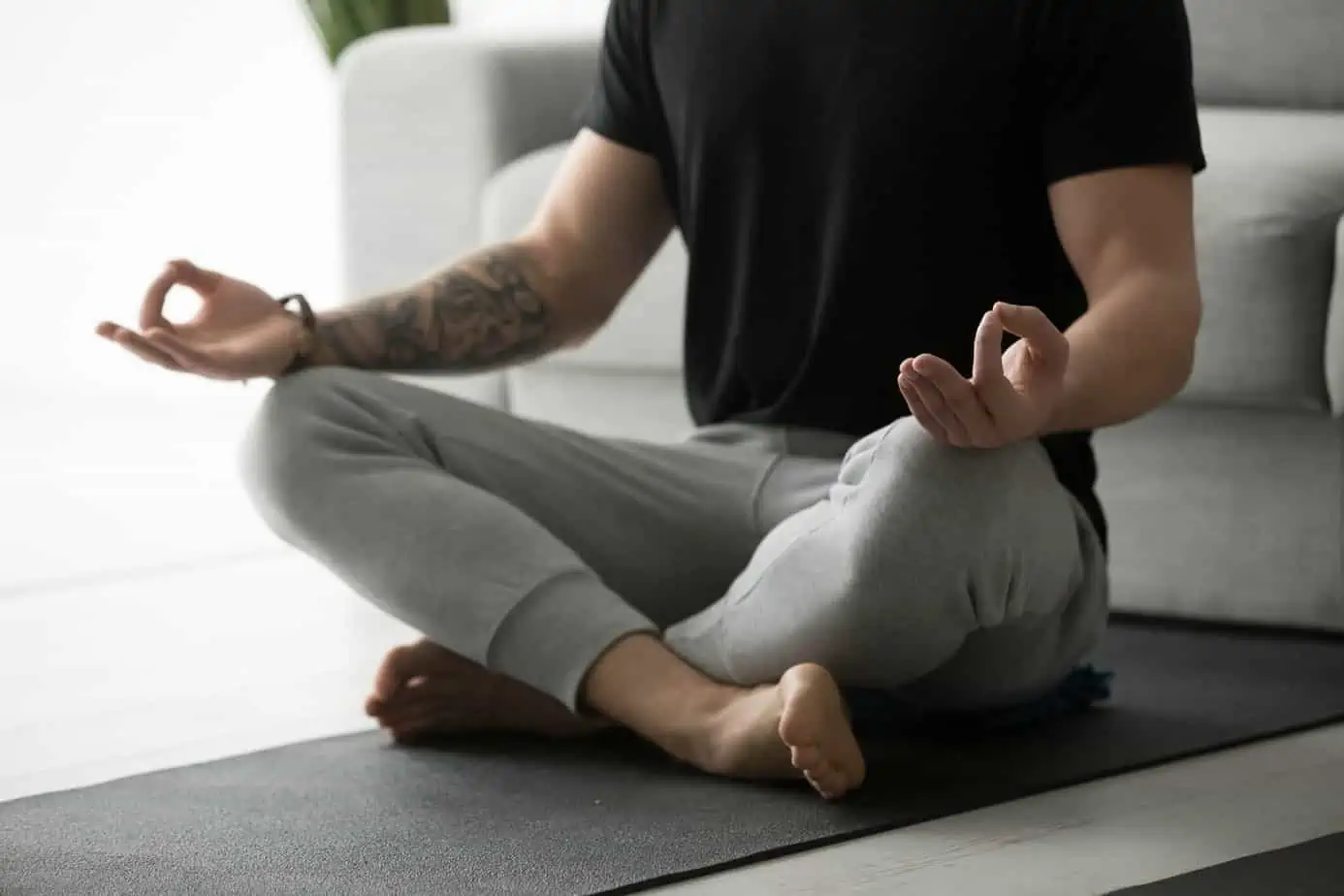
Mindfulness for addicts involves paying attention to the present moment without judgment. It’s about observing your thoughts and feelings without getting caught up in them. Mindfulness can help you develop a greater awareness of your sobriety triggers and early sobriety anxiety, allowing you to respond to them more effectively.
Can meditation help prevent a relapse? Mindfulness-Based Relapse Prevention (MBRP) is a specific approach that combines mindfulness practices with relapse prevention strategies. MBRP helps individuals in recovery become more aware of their triggers, habitual patterns, and automatic reactions.
When you’re feeling overwhelmed, try a simple mindfulness exercise: Find a quiet place to sit or lie down. Close your eyes and focus on your breath. Notice the sensation of each inhale and exhale. When your mind wanders, gently redirect your attention back to your breath. Start with just a few minutes each day and gradually increase the duration as you become more comfortable.
4. Holistic Recovery: Nourishing Your Mind and Body
Holistic recovery recognizes the interconnectedness of your mind, body, and spirit. It emphasizes the importance of addressing all aspects of your well-being to support long-term sobriety.
Exercise is a powerful tool for managing anxiety and improving mood. Physical activity releases endorphins, which have mood-boosting effects. Aim for at least 30 minutes of moderate-intensity exercise most days of the week.
Nutrition also plays a crucial role. A balanced diet rich in fruits, vegetables, and whole grains can help stabilize your mood and reduce cravings. Avoid processed foods, sugary drinks, and excessive caffeine, as these can worsen anxiety.
Adequate sleep is essential for both physical and mental health. Aim for seven to nine hours of quality sleep each night. Establish a regular sleep schedule and create a relaxing bedtime routine.
5. Building a Strong Support System: You’re Not Alone
Recovery is a journey best traveled with support. Connecting with others who understand your struggles can provide invaluable encouragement and guidance.
Consider joining a support group or 12-step program. These groups offer a safe and supportive environment where you can share your experiences, learn from others, and build meaningful connections.
Don’t hesitate to reach out to friends, family members, or a therapist for support. Talking about your anxiety can help you feel less alone and more empowered to manage it.
What to do when feeling overwhelmed in recovery? A strong support system can provide a lifeline during challenging times.
Finding Your Path to Calm
Managing anxiety in recovery is an ongoing process. Be patient with yourself, and remember that setbacks are a normal part of the journey. Experiment with different techniques to find what works best for you. With consistent effort and the right support, you can learn to calm your anxiety and build a fulfilling, sober life.
If you’re struggling with anxiety in recovery, remember that help is available. Reach out to a mental health professional or addiction specialist for guidance and support.
If you or someone you know is struggling with substance abuse, Mountainside can help. We offer individualized and comprehensive treatment that meets people where they are. Speak with an admissions specialist today to discover your options!
If you or a loved one is struggling with addiction, Mountainside can help.
Click here or call (888) 833-4676 to speak with one of our addiction treatment experts.