 By
By 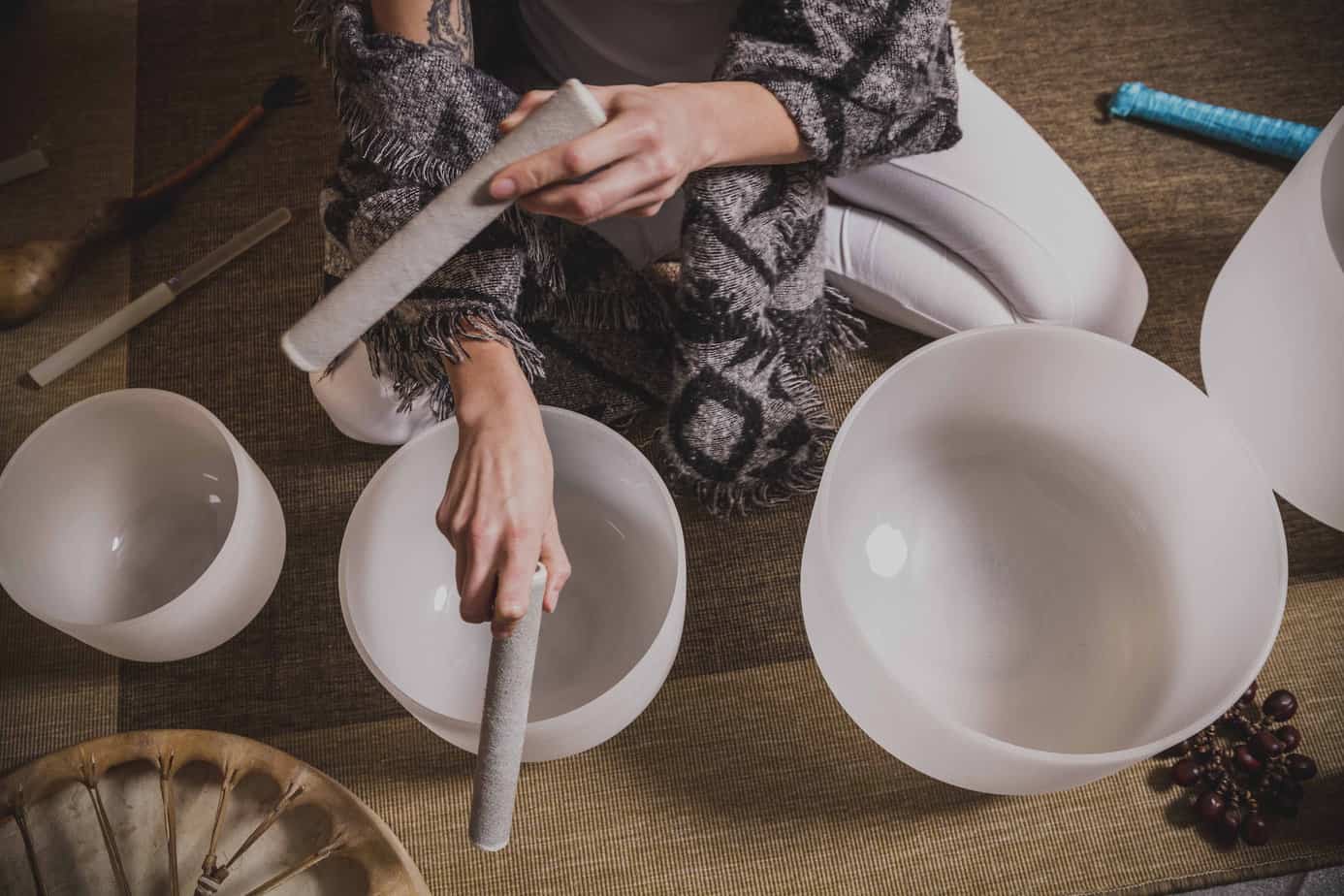
Sound baths are an ancient, holistic practice gaining modern popularity as an immersive, meditative experience where sound waves from instruments like gongs and singing bowls “bathe” the recipient. The practice is based on vibrational therapy, aiming to restore the body’s natural balance and frequencies that may be disrupted by stress or trauma. These sessions offer wide-ranging benefits, including significant stress and anxiety relief, improved sleep, emotional release, and support for physical recovery and nervous system regulation, making them a valuable tool for overall wellness and recovery.
Are you seeking a path to inner peace and healing? Perhaps you’re navigating the complexities of drug and alcohol recovery, or simply searching for holistic ways to manage stress and improve your overall wellbeing. If so, you might find solace in the transformative power of sound baths. This ancient practice, now gaining popularity in modern wellness circles, offers a unique and accessible route to relaxation, emotional release, and profound healing.
What Is a Sound Bath?
A sound bath is an immersive, meditative experience where you are “bathed” in sound waves. These waves are produced by various instruments, including singing bowls, gongs, crystal bowls, and other resonant tools. The vibrations wash over you, promoting deep relaxation and facilitating healing on multiple levels. Sound healing has been employed across diverse cultures for millennia as a foundational component of traditional medicine and spiritual practice. Modern wellness recovery programs have increasingly incorporated these ancient therapeutic approaches alongside contemporary medical interventions.
The Science Behind the Sound: Vibrational Therapy
The core principle behind sound baths lies in vibrational therapy. Everything in the universe, including our bodies, vibrates at a specific frequency. When we experience stress, trauma, or illness, these frequencies can become disrupted. Sound healing aims to restore harmony by introducing resonant frequencies that encourage the body’s natural healing processes.
Think of it like tuning a musical instrument. When a string is out of tune, it creates dissonance. By adjusting the tension, you bring it back into harmony with the other strings. Similarly, sound baths help to re-tune your body’s frequencies, promoting balance and wellbeing.
Instruments of Healing: A Symphony of Sound
A variety of instruments are used in sound baths, each offering unique sonic qualities and therapeutic benefits:
- Singing bowls: These metal bowls, often Tibetan singing bowls for deep sleep, produce complex, multi-tonal sounds with rich overtones. They are known for their ability to induce deep relaxation and promote mental clarity.
- Gongs: Large, resonant gongs create powerful, enveloping soundscapes that can facilitate emotional release and psychological integration. Gong meditation produces distinctive benefits compared to singing bowl practices, as the continuous, evolving acoustic environment of gong sound creates what practitioners describe as a “sonic journey” through varying emotional and energetic landscapes, supporting emotional release and psychological integration.
- Crystal bowls: Made from pure quartz crystal, these bowls generate clear, focused tones that are believed to have a powerful effect on the body’s energy centers. For individuals seeking the best instruments for home sound healing, crystal bowls offer advantages in terms of ease of playing, minimal learning curve, and consistent sound production with standard mallets, making them accessible to individuals without extensive musical training.
Sound Bath Benefits for Chronic Stress and Recovery
The benefits of sound baths are wide-ranging, particularly for those in Wellness recovery. Here are some key advantages:
- Stress relief: Sound baths are incredibly effective for stress relief. The vibrations help to calm the nervous system, reducing cortisol levels and promoting a sense of deep relaxation. Sound bath benefits for chronic stress are significant, as even single sessions produce measurable reductions in self-reported anxiety and physiological stress markers.
- Anxiety reduction: A guided sound bath for anxiety relief can help to quiet the mind and ease anxious thoughts. The immersive sound experience provides a welcome distraction from worries and promotes a sense of inner peace.
- Improved sleep: The relaxing effects of sound baths can promote better sleep quality. Tibetan singing bowls for deep sleep are often used to help individuals fall asleep more easily and experience more restful sleep.
- Emotional release: Sound healing for emotional release can help to unlock and process pent-up emotions. The vibrations can gently stimulate emotional centers in the brain, allowing for the release of suppressed feelings.
- Physical recovery: Sound healing helps with physical recovery through multiple mechanisms: relaxation response activation reduces muscular tension and pain perception, parasympathetic activation supports healing processes reliant upon nervous system downregulation, and specific frequencies appear to stimulate cellular repair processes and reduce inflammation.
Additionally, evidence increasingly supports vibrational healing for muscle recovery in athletic and post-exercise contexts, with implications for individuals reintegrating physical activity into recovery regimens.
How to Prepare for Your First Sound Bath
If you’re curious about trying a sound bath, here are some tips to help you prepare:
- What should I wear to a sound bath session? Wear comfortable, loose-fitting clothing. Layers are a good idea, as your body temperature may fluctuate during the session.
- Set an intention: Before the sound bath, take a few moments to set an intention for your experience. What do you hope to gain from the session?
- Find a comfortable position: Most sound baths are experienced lying down. Bring a yoga mat, blanket, and pillow to create a comfortable space.
- Relax and let go: During the sound bath, simply relax and allow the sounds to wash over you. There’s no need to try to control your thoughts or feelings. Just be present and open to the experience.
Sound Bathing & Recovery: A Powerful Combination
For individuals in drug and alcohol recovery, sound baths offer a valuable tool for supporting the healing process. The practice can help in several ways.
Regulate the Nervous System
Sound bathing for nervous system regulation accomplishes this through vibrational frequencies that stimulate the vagus nerve, a critical cranial nerve responsible for promoting parasympathetic activation.
Reduce Cravings
By promoting relaxation and reducing stress, sound baths can help to manage cravings and prevent relapse.
Address Trauma
Sound healing can provide a safe and gentle way to process past trauma.
Promote Mental Wellness
Virtual sound baths for mental wellness have emerged as an increasingly accessible modality, enabling individuals to access sound healing through recordings, live-streamed sessions, or specialized applications without geographic or scheduling constraints limiting access to in-person practitioners.
Address Burnout
Using frequency therapy for burnout addresses a significant challenge in recovery, particularly for individuals managing work stress, relationship strain, and the existential fatigue accompanying early sobriety.
Integrating Sound Bathing into Your Life
There are many ways to incorporate sound baths into your wellness routine:
- Attend a group session: Many studios and wellness centers offer group sound bath sessions.
- Schedule a private session: A private session allows for a more personalized experience tailored to your specific needs.
- Practice at home: With the availability of recordings and virtual sound baths, you can easily practice at home. Can I do a sound bath at home with headphones? The answer is yes, with quality audio equipment.
- Integrate with yoga: Integrating sound baths into a yoga routine creates synergistic benefits, as both practices employ parasympathetic nervous system activation, somatic awareness, and intentional body-mind integration.
Common Questions About Sound Bathing
If you have more questions about sound baths, common ones are answered below.
- Is it okay to fall asleep during a sound bath? Absolutely! Falling asleep is a sign of deep relaxation.
- How often should I attend a sound bath for wellness? This depends on your individual needs. Some people benefit from weekly sessions, while others find that monthly sessions are sufficient.
- What is the difference between a sound bath and meditation? Sound baths are a passive experience, while traditional meditation requires active focus.
- Can sound baths help reduce inflammation? While sound baths don’t directly reduce inflammation, they promote relaxation, which can support the body’s natural anti-inflammatory processes.
- Are sound baths safe during pregnancy? Gentle sound baths are generally safe, but it’s always best to consult with your healthcare provider.
- What are the side effects of sound healing? Side effects are rare, but some people may experience temporary headaches or emotional release.
- How long do the effects of a sound bath last? The effects can last for several hours or even days, depending on the individual.
- Why do people cry during sound baths? Crying is a sign of emotional release and can be a therapeutic experience.
Embrace the Healing Power of Sound
Sound baths offer a powerful and accessible path to wellness and recovery. By harnessing the transformative power of sound, you can unlock deep relaxation, release emotional blockages, and promote healing on all levels. Whether you’re seeking stress relief, improved sleep, or a deeper connection to yourself, sound baths can be a valuable tool on your journey to wholeness.
If you or someone you know is struggling with substance abuse, Mountainside can help. We offer individualized and comprehensive treatment that meets people where they are. Speak with an admissions specialist today to discover your options!
If you or a loved one is struggling with addiction, Mountainside can help.
Click here or call (888) 833-4676 to speak with one of our addiction treatment experts.