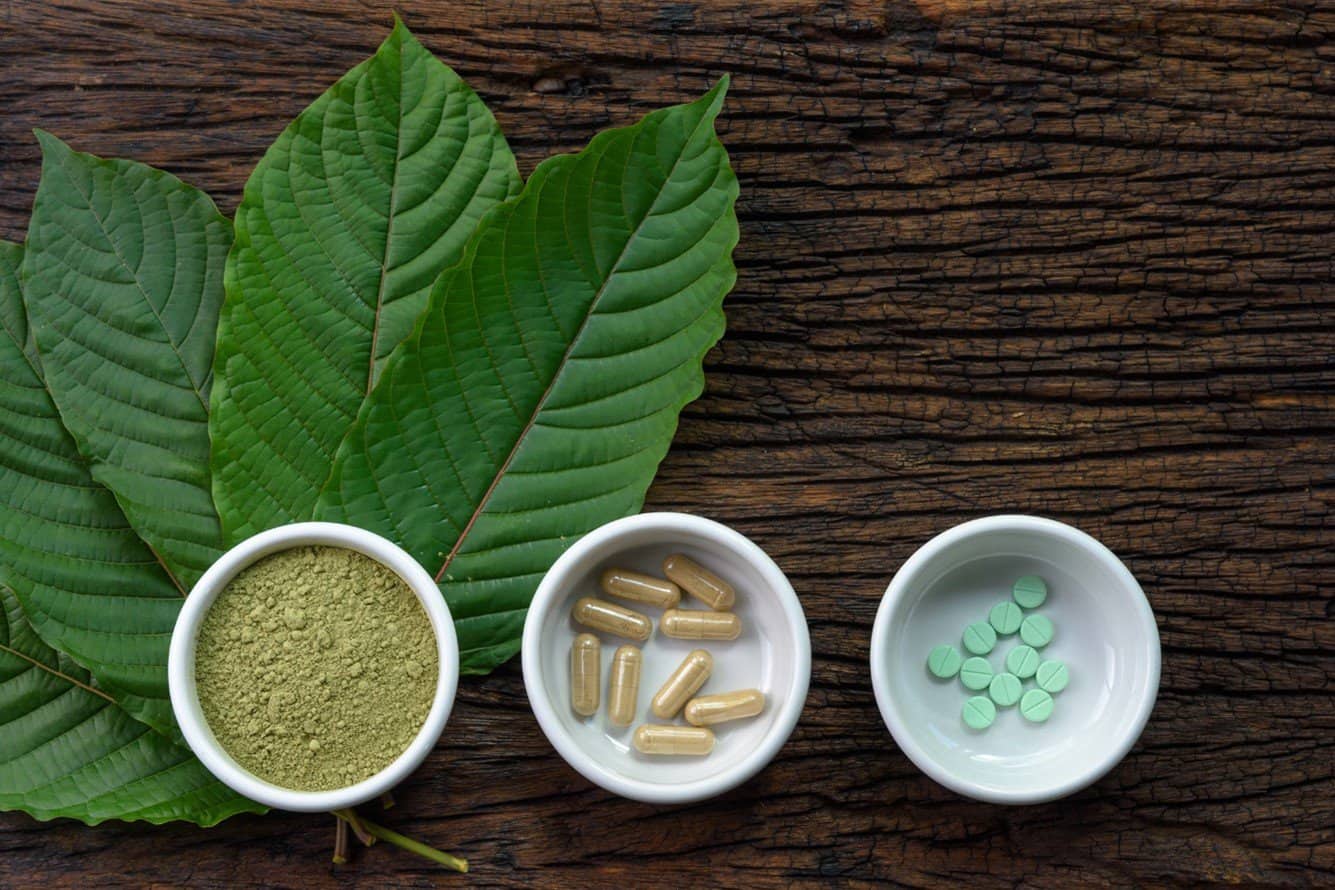

Combining kratom with other substances like alcohol, prescription opioids, or benzodiazepines significantly increases the risk of toxic drug interactions, central nervous system depression, and fatal overdose. The article highlights these physiological dangers and warning signs while emphasizing the importance of seeking professional, evidence-based addiction treatment for safe recovery.
Polydrug use, which is the intentional or unintentional consumption of more than one substance at a time, presents significant risks to physical and psychological health. While many view herbal supplements as safe alternatives to conventional pharmaceuticals, botanical substances like kratom contain active alkaloids that interact powerfully with the brain and liver. Combining this plant extract with other medications or recreational substances amplifies the risk of toxic drug interactions, unexpected side effects, and severe medical emergencies. Understanding the dangers of polydrug use involving kratom is a critical step in staying safe and recognizing when professional substance abuse treatment is needed.
The Hidden Dangers of Polydrug Use Involving Kratom
Polydrug use involving kratom and other substances creates complex chemical interactions in the human body. Kratom leaves contain primary alkaloids, mainly mitragynine and 7-hydroxymitragynine, which bind to mu-opioid receptors and affect central nervous system pathways. When taken alone, kratom exhibits unpredictable stimulant or sedative effects depending on the dosage. When mixed with other compounds, its chemical profile becomes far more hazardous.
Why Is Polydrug Use with Kratom Life-Threatening?
The main physiological danger stems from how the liver metabolizes different substances. Kratom alkaloids inhibit essential liver enzymes. When these are blocked, the body cannot break down other co-ingested drugs efficiently. This bottleneck leads to dangerous toxicity levels, elevated drug concentrations in the bloodstream, and an extreme risk of organ damage or overdose.
| Interaction Type | Co-Ingested Substance | Physiological Impact | Clinical Risk Level |
| Depressant synergy | Alcohol, benzodiazepines | Severe central nervous system depression, suppressed breathing | High/life-threatening |
| Enzyme inhibition | Prescription opioids | Delayed clearance, toxic accumulation, heightened opioid effects | High/overdose risk |
| Sedative potentiation | Over-the-counter sleep aids | Extreme lethargy, impaired motor control, cognitive confusion | Moderate to high |
What Happens When You Mix Kratom with Other Drugs?
The specific risks of combining kratom depend heavily on the pharmacological class of the secondary substance. Whether mixed with prescription medications, illicit substances, or alcohol, toxic interactions frequently occur.
- Combining kratom and alcohol risks: Both substances are processed through the liver and affect the central nervous system. Combining kratom and alcohol risks severe dehydration, acute liver toxicity, respiratory distress, and impaired judgment.
- Mixing kratom with prescription opioids: Because kratom alkaloids act as partial opioid agonists, mixing kratom with prescription opioids over-saturates opioid receptors. This significantly increases the likelihood of respiratory depression and fatal respiratory arrest.
- Polydrug use involving kratom and benzodiazepines: Benzodiazepines suppress brain activity. When paired with high doses of kratom, the combined sedative effect can slow heart rate and breathing to life-threatening levels.
Understanding Central Nervous System Depression
How kratom interacts with central nervous system depressants is one of the most critical topics in addiction medicine. Combining multiple depressants compounds their individual sedative effects exponentially. The brain stops signaling the body to breathe, leading directly to hypoxia, brain injury, or coma.
Signs of a Kratom Polysubstance Overdose
Recognizing the signs of a kratom polysubstance overdose allows family members and loved ones to take immediate emergency action. Look out for the following critical symptoms:
- Unresponsiveness or inability to wake up
- Shallow, slow, or irregular breathing
- Pale, clammy, or bluish skin and fingernails
- Extreme confusion, tremors, or seizures
- Pinpoint pupils or loss of consciousness
Emergency Interventions and Reversal Agents
- Does Narcan reverse a kratom and drug interaction overdose? Narcan (naloxone) is designed specifically to reverse classic opioid overdoses. While naloxone may partially reverse the opioid-like alkaloid activity of kratom, it will not reverse the effects of non-opioid substances like alcohol or benzodiazepines. However, in any suspected overdose emergency, emergency services should be called immediately, and naloxone should always be administered if available.
Overcoming Dependence Through Comprehensive Treatment
Frequent polysubstance abuse, physical dependence, and escalating tolerance are clear signs that professional help is needed. Attempting to stop using multiple substances simultaneously without medical supervision can trigger severe and potentially dangerous withdrawal symptoms.
Where Can I Find Professional Addiction Help for Polydrug Abuse?
Seeking evidence-based treatment for kratom addiction and polydrug abuse ensures you receive comprehensive, compassionate, and clinically supervised care. Professional substance abuse treatment programs offer tailored interventions designed to safely guide you through detoxification and long-term recovery.
- Medical detoxification: Clinical supervision provides continuous medical oversight to manage withdrawal discomfort safely.
- Dual diagnosis care: Addressing underlying mental health conditions alongside addiction helps target the root causes of self-medication.
- Individual and group therapy: Behavioral therapies build healthy coping mechanisms, stress management tools, and relapse prevention strategies.
- Aftercare planning: Structured support plans help individuals maintain sobriety and prevent long-term relapse triggers.
Recognizing the kratom risks associated with polydrug use is the first step toward lasting safety. Reaching out to an accredited treatment center gives you access to the medical expertise, emotional support, and evidence-based tools necessary to build a healthier, substance-free future.
If you or someone you know is struggling with substance abuse, Mountainside can help. We offer individualized and comprehensive treatment that meets people where they are. Speak with an admissions specialist today to discover your options!