 By
By 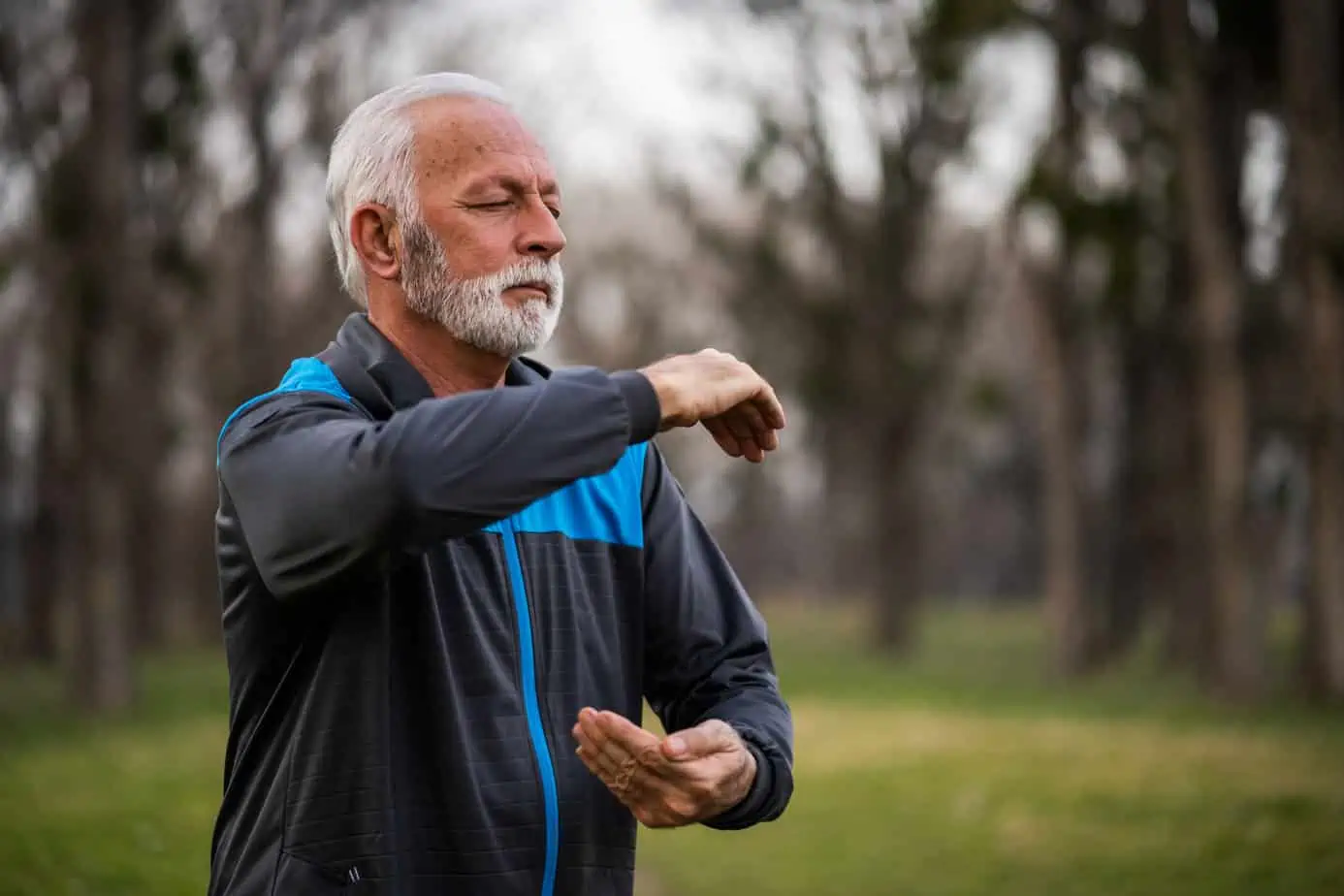
Qigong is a powerful, science-backed practice that supports drug and alcohol recovery by addressing the mind-body connection and healing the nervous system affected by addiction. By using gentle movement and intentional breathwork, qigong helps regulate the nervous system, reduce cravings, build self-regulation skills, and provide effective relapse-prevention strategies. Consistent practice supports neuroplasticity, restores the dopamine baseline, and fosters emotional resilience, contributing to long-term sobriety and cultivating inner peace.
Recovery is a journey of rediscovery, a path toward reclaiming your life, your health, and your inner peace. While traditional methods provide a strong foundation, integrating practices like qigong can offer a profound boost, addressing the often-overlooked connection between mind, body, and spirit. If you’re navigating drug and alcohol recovery, qigong provides tangible, science-backed tools for building a life you actually want to live.
Understanding Qigong’s Unique Contribution to Recovery
Addiction leaves its mark, not just on behavior, but deep within your nervous system. Qigong for substance abuse recovery steps in where conventional treatment sometimes falls short, acknowledging your body’s need to heal alongside your mind and spirit. It’s about more than just sobriety; it’s about holistic wellbeing.
Why integrate qigong into your recovery:
- Regulates the nervous system after addiction: Gentle, intentional movements help calm the overstimulated nervous system, promoting relaxation and reducing anxiety.
- Reduces cravings: By calming the amygdala (your brain’s threat center), qigong breathwork for drug cravings can help you navigate intense urges with greater ease.
- Builds self-regulation skills: Qigong cultivates self-awareness and emotional control, essential tools for long-term sobriety.
- Offers relapse prevention strategies: Rooted in body awareness, qigong empowers you to recognize and respond to triggers before they lead to relapse.
The Science Behind Energy Healing for Long-Term Sobriety
Energy medicine and energy healing for long-term sobriety might sound esoteric, but the underlying mechanisms are grounded in science. Addiction disrupts your body’s natural energy flow and chemical balance. Qigong works by retraining your parasympathetic nervous system, signaling to your body that you are safe and secure.
How qigong supports healing:
- Breathwork activates the vagus nerve: This crucial nerve shifts you from the fight-or-flight response to a state of rest and digestion, promoting relaxation and reducing stress.
- Qigong routines for dopamine baseline restoration: Help to reset your reward system, gradually restoring your natural capacity for joy and pleasure without relying on substances.
- Moving meditation for emotional sobriety: Creates new neural pathways, fostering emotional resilience and reducing the likelihood of impulsive behavior.
- Consistent practice rebuilds your capacity for joy: It shows you how to experience pleasure without substances.
Practical Qigong Applications in Your Sober Living Environment
Integrating qigong into your daily routine can be surprisingly simple and incredibly effective.
Holistic Detox Integration
Shift your perspective. Rather than viewing detox as purely chemical, embrace holistic detox, acknowledging your whole self. Qigong supports addiction wellness through movement rather than willpower alone.
Addressing Specific Challenges
- Qigong for alcohol withdrawal anxiety: Slow, rhythmic movements calm the nervous system during the often-challenging withdrawal period.
- Qigong breathwork for drug cravings: When cravings strike, deliberate breathing techniques can interrupt the craving cycle within minutes.
- Can qigong help with insomnia in early sobriety? Absolutely. Gentle qigong practiced before bed can regulate sleep cycles disrupted by substance use.
- How does qigong lower cortisol during detox? Deep, intentional breathing directly reduces your body’s cortisol production, the stress hormone.
Aligning with Your Recovery Program
Zen recovery doesn’t mean abandoning your existing support system. Holistic tools for 12-step program support include qigong as a bridge between the spiritual principles of recovery and embodied experience.
Connecting the pieces:
- Use qigong during Step 11 (meditation practice) for a tangible spiritual connection.
- Practice somatic healing for addictive behaviors by noticing tension and releasing it through movement.
- Build cultivating inner peace in early recovery as a daily non-negotiable practice.
- How to practice qigong for emotional regulation in rehab? Start with just 10 minutes daily in group or individual settings.
Addressing Your Questions About Qigong and Recovery
How does qigong help prevent drug relapse? By strengthening your capacity to sit with difficult emotions and cravings without acting on them. This is relapse prevention in action. Mindfulness-based interventions have shown a 30 to 40 percent improvement in relapse prevention outcomes.
Can qigong help repair the brain after addiction? Research suggests yes. Regular practice supports neuroplasticity, which is your brain’s ability to rewire itself toward health.
What are the best qigong exercises for alcohol cravings? Microcosmic orbit breathing and standing meditation are particularly effective for managing acute cravings.
How to use qigong for anxiety in recovery? Combine slow movement with counted breathing (4-count inhale, 4-count hold, 6-count exhale). Practice daily for a cumulative effect.
Is qigong effective for treating “dry drunk” syndrome? Absolutely. The emotional regulation and self-regulation skills address the irritability and disconnection characteristic of this state.
Why is mindfulness movement important for addicts? Because mindfulness movement engages your whole nervous system, not just your thinking mind. This prevents relapse by addressing cravings at their source.
Finding Support and Getting Started with Qigong
Where can I find qigong classes for recovery centers? Many addiction wellness programs now offer qigong directly. Check with your recovery center, local community health centers, or online platforms specializing in recovery-focused movement.
Start small, such as just 10 minutes daily. Consistency matters more than intensity. Find a practice that feels sustainable, whether that’s flowing qigong or still standing meditation. Daily 10 to 15-minute practices yield the best results.
Your recovery is unique. Qigong isn’t about perfection or looking right but more about reconnecting with the life force within you, the part of you that addiction tried to dim. Through breathwork, through movement, through presence, you rebuild that connection every single day.
If you or someone you know is struggling with substance abuse, Mountainside can help. We offer individualized and comprehensive treatment that meets people where they are. Speak with an admissions specialist today to discover your options!
If you or a loved one is struggling with addiction, Mountainside can help.
Click here or call (888) 833-4676 to speak with one of our addiction treatment experts.