 By
By 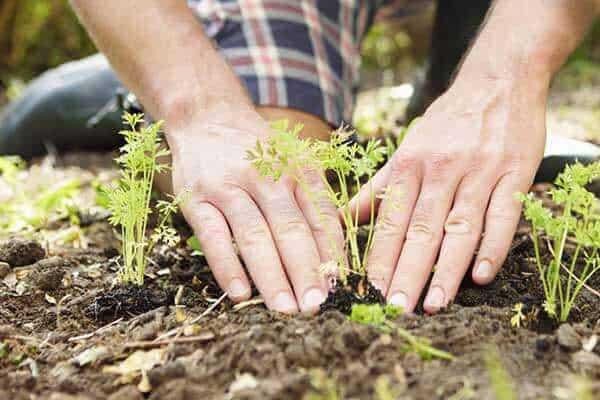
Horticultural therapy, or therapeutic gardening, is a structured, evidence-based approach to addiction recovery that uses plants and gardening activities to promote mental, emotional, physical, and social well-being. The benefits of this nature-based practice include reducing cravings, lowering stress and anxiety by normalizing cortisol levels, and naturally boosting dopamine. Through activities like gardening, individuals can develop patience and resilience, enhance mindfulness, and gain vocational skills, all while supporting the brain’s healing and regulating the body’s stress response.
If you are on the path to recovery from drug or alcohol addiction, you’re likely exploring various avenues to support your journey, seeking tools that not only help you abstain but also rebuild your life and wellbeing. Have you considered the power of plants? Horticultural therapy, or therapeutic gardening, is emerging as a powerful and holistic approach to addiction recovery, offering a unique blend of nature, nurture, and healing.
What Is Horticultural Therapy?
Horticultural therapy is more than just tending a garden. It’s a structured, evidence-based practice that uses plants and gardening activities to improve mental, emotional, physical, and social wellbeing. It’s about connecting with nature in ways that foster healing and growth – for both the plants and you.
Why is Nature-Based Therapy Becoming Popular?
In today’s world, where stress and disconnection are rampant, people are increasingly seeking solace and healing in nature. Why is nature-based therapy becoming popular? The answer lies in its holistic approach, addressing not just the symptoms of addiction but also the underlying emotional and spiritual needs. It offers a tangible, hands-on way to reconnect with oneself and the world.
The Benefits of Gardening for Addiction Recovery
The benefits of gardening for addiction recovery are numerous and far-reaching. Here’s a glimpse:
- Reduces cravings: How does horticultural therapy help with drug cravings? Engaging in gardening provides a distraction from cravings, occupying your mind and body with a positive, productive activity.
- Lowers stress and anxiety: Can gardening reduce anxiety in early sobriety? Absolutely. Studies show that even brief gardening activities can significantly reduce cortisol levels, the hormone associated with stress.
- Boosts dopamine levels: How do plants help restore dopamine levels? Gardening stimulates the release of dopamine, the “feel-good” neurotransmitter, naturally counteracting the dopamine depletion caused by substance abuse.
- Provides structure and purpose: Recovery requires establishing new routines and finding meaning. Gardening offers a structured activity with clear goals, fostering a sense of accomplishment and purpose.
- Enhances mindfulness: Mindfulness and soil-based grounding techniques are integral to horticultural therapy. Focusing on the textures, smells, and sights of the garden brings you into the present moment, reducing rumination and anxiety.
- Fosters patience and resilience: Building patience through horticultural therapy is a key aspect of recovery. Watching a seed grow into a plant teaches patience and the understanding that growth takes time and effort.
- Offers vocational opportunities: Vocational horticulture provides valuable skills and potential employment opportunities. Vocational training in greenhouse management for recovery can lead to jobs in nurseries, landscaping, and urban agriculture.
The Science Behind the Healing
The impact of horticultural therapy extends beyond anecdotal evidence. Research shows that working with plants can:
- Increase brain-derived neurotrophic factor (BDNF): This protein is crucial for neuronal survival, growth, and plasticity, helping to repair the brain damage caused by addiction.
- Improve fine motor skills: Developing fine motor skills through gardening in sobriety is essential for regaining dexterity and coordination, which can be affected by substance abuse.
- Normalize cortisol levels: Gardening helps regulate the body’s stress response, reducing anxiety and promoting relaxation.
- Enhance sensory awareness: Sensory gardens, designed to stimulate the senses, can be particularly beneficial for individuals in recovery, helping them reconnect with their bodies and the present moment.
Designing Your Own Recovery Garden
You don’t need acres of land to experience the benefits of horticultural therapy. Can horticultural therapy be done in an urban rehab? Absolutely! Here are some ideas for creating your own healing space:
- Container gardening: Perfect for small spaces, container gardening allows you to grow herbs, vegetables, and flowers in pots on balconies, patios, or even windowsills.
- Vertical gardens: Living walls and vertical gardens are a great way to add greenery to urban environments, maximizing space and creating a calming atmosphere.
- Sensory gardens: Incorporate plants with different textures, scents, and colors to engage your senses and promote relaxation. What are the best plants for a recovery garden? Lavender, rosemary, mint, and chamomile are excellent choices.
Horticultural Therapy for Specific Needs
Horticultural therapy is adaptable to various needs and challenges:
Horticultural therapy for dual diagnosis treatment can effectively address co-occurring mental health conditions like depression, anxiety, and PTSD, often present alongside addiction.
Is therapeutic gardening effective for opioid recovery? It can be a valuable tool in opioid recovery, helping to restore dopamine levels and reduce cravings.
Using plant cycles to model recovery stages: The natural cycles of plant growth can serve as a metaphor for recovery stages, offering hope and inspiration.
Finding a Certified Horticultural Therapist
If you’re interested in exploring horticultural therapy further, consider working with a certified professional. How do I find a certified horticultural therapist? The American Horticultural Therapy Association (AHTA) is a great resource for finding qualified practitioners.
The path to recovery is a journey of self-discovery and healing. Horticultural therapy offers a unique and powerful way to connect with nature, nurture your wellbeing, and cultivate a brighter future.
Actionable Steps
- Start a small herb garden: Even a few potted herbs on your windowsill can bring joy and a sense of accomplishment.
- Visit a local botanical garden: Immerse yourself in the beauty and tranquility of nature.
- Volunteer at a community garden: Connect with others and contribute to a shared green space.
- Research local horticultural therapists: Explore the possibility of incorporating horticultural therapy into your recovery plan.
Embrace the power of plants and discover the healing potential that lies within the earth. Your journey to recovery can blossom with horticultural therapy.
If you or someone you know is struggling with substance abuse, Mountainside can help. We offer individualized and comprehensive treatment that meets people where they are. Speak with an admissions specialist today to discover your options!
If you or a loved one is struggling with addiction, Mountainside can help.
Click here or call (888) 833-4676 to speak with one of our addiction treatment experts.