Addressing addiction in the workplace requires employers to balance maintaining productivity with supporting employees who may be struggling with substance abuse. By implementing clear drug-free policies and fostering a supportive, recovery-ready culture, organizations can create a healthier environment that benefits both the individual and the company.
In today’s fast-paced work environment, the issue of addiction in the workplace is more prevalent than ever. Employers face the dual challenge of maintaining productivity while supporting employees who may be struggling with substance abuse. Addressing addiction is not just a legal obligation; it’s an opportunity to cultivate a healthier, more productive workplace. By implementing effective strategies and fostering a supportive culture, employers can help employees on their journey to recovery, ultimately benefiting the organization as a whole.
Understanding Workplace Addiction and Its Impact
Defining Workplace Addiction
Workplace addiction encompasses the misuse of alcohol, prescription medications, or illicit drugs that impair an employee’s health and performance. Employee substance abuse can manifest in various ways, from overt intoxication to the aftereffects of substance use, such as hangovers and cognitive impairments. Recognizing the signs of workplace alcoholism and drug addiction is crucial for early intervention and support.
Prevalence and Workforce Statistics
Research indicates that a significant number of adults with substance use disorders are employed. In fact, millions of full-time workers may meet the criteria for an alcohol or drug use disorder annually. Industries such as construction, food service, and healthcare often report higher rates of employee substance abuse. With untreated substance use disorders leading to increased absenteeism, turnover, and healthcare costs, employers must proactively address these issues.
Organizational Costs and Safety Risks
The consequences of workplace addiction extend beyond the individual employee. Substance-related problems can lead to decreased productivity, safety risks, and increased healthcare costs. Employers may experience tardiness, impaired decision-making, and lower morale among co-workers. In safety-sensitive roles, even moderate impairment can result in serious accidents, making it essential for employers to establish a comprehensive workplace drug policy.
Recognizing Substance-Related Problems Early
Warning Signs of Workplace Substance Abuse
Identifying the early warning signs of workplace substance abuse can prevent more severe issues down the line. Common indicators include
- Unexplained absences or frequent tardiness
- Patterns of calling in sick after weekends or paydays
- Fluctuating productivity and missed deadlines
- Emotional changes, such as mood swings or irritability
By focusing on objective, job-related changes, employers can address concerns without making assumptions about an employee’s personal life.
Signs of Workplace Alcoholism
Alcoholism can be particularly difficult to identify due to its legal status and social acceptance. Signs may include
- Frequent sick leave, especially on Mondays or after holidays
- Unexplained absences during the workday
- Physical signs such as bloodshot eyes or a smell of alcohol
Creating an employee alcoholism guide can help managers respond compassionately and consistently when they observe these patterns.
Signs of Drug Addiction in Employees
Indicators of drug addiction may include
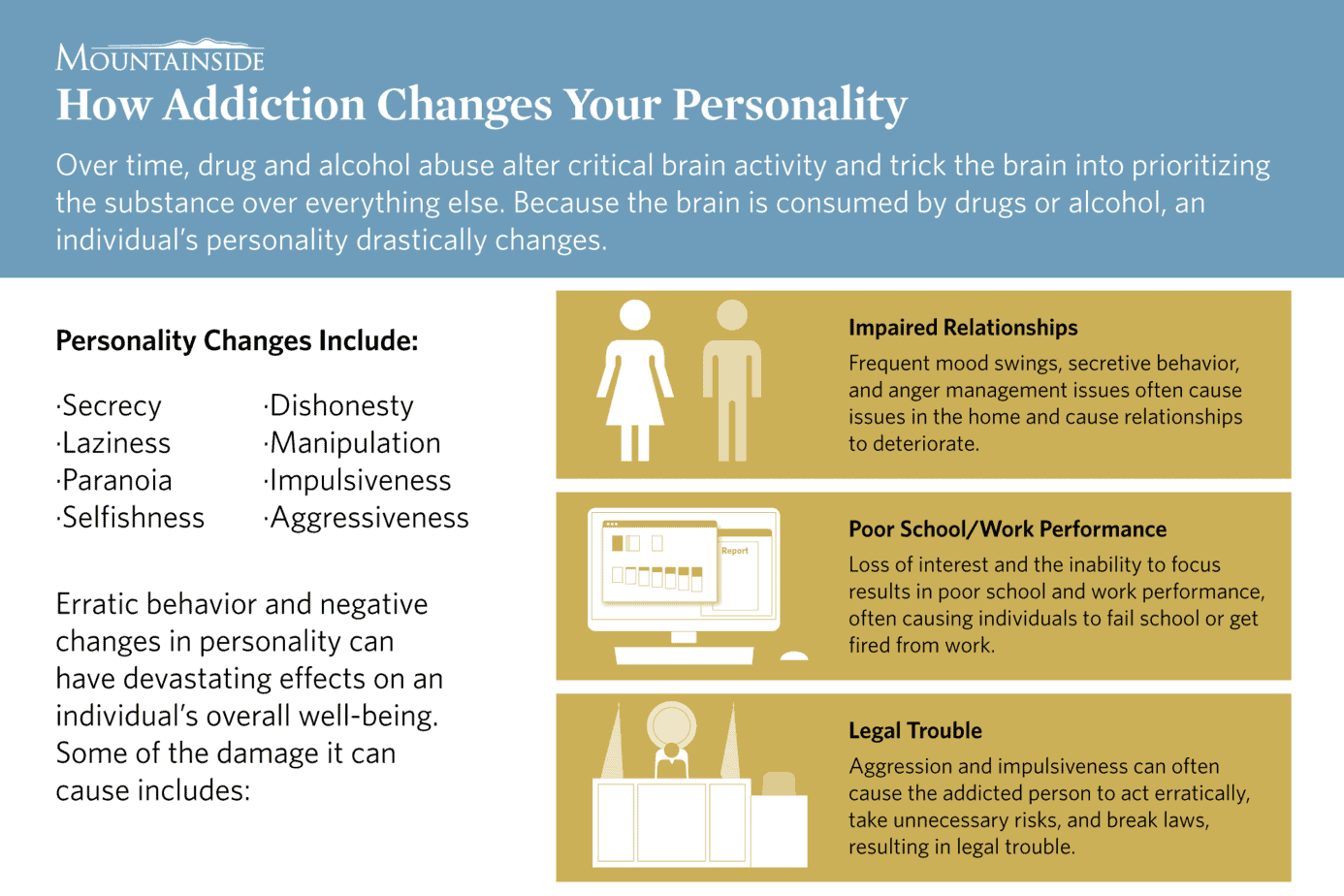
- Changes in behavior, such as increased secrecy or erratic mood swings
- Physical symptoms, such as dilated pupils or unusual movements
- Cognitive signs, such as forgetfulness or difficulty concentrating
Employers should document specific observations and consult with HR or other managers before taking action.
Legal, Ethical, and Policy Foundations
Creating a Workplace Substance Abuse Policy
Establishing a drug-free workplace is not only a value statement but also a legal requirement in many industries. A comprehensive workplace drug policy should include
- Clear definitions of prohibited behaviors
- Circumstances under which employee drug testing may occur
- Processes for referrals and disciplinary measures
These policies should be communicated widely and consistently applied to avoid claims of discrimination.
ADA Addiction Compliance
Employers often grapple with questions regarding ADA addiction compliance. While current illegal drug use is not protected under the Americans with Disabilities Act (ADA), addiction itself qualifies as a disability. This means that employers may need to provide reasonable accommodations for employees in recovery, such as flexible scheduling or modified duties.
Legal Rights of Employers
Employers have legal rights when dealing with drug addiction. If an employee is under the influence of illegal drugs at work, disciplinary actions may be warranted. However, employers should avoid making decisions based on stereotypes or assumptions and instead focus on documented performance issues.
Organizational Responses: From Discipline to Support
Balancing Accountability and Care
When it comes to managing employee addiction, employers must strike a balance between accountability and care. Disciplinary action vs treatment for addicted workers doesn’t have to be an either-or proposition. Organizations can frame substance-related misconduct as a performance issue while providing a pathway to treatment and recovery.
Supporting Employees in Addiction Recovery
Implementing employer EAP programs can significantly benefit employees struggling with addiction. These programs provide confidential support and resources for employees seeking help. By fostering a recovery-ready workplace culture, employers can create an environment where employees feel safe to disclose their struggles and seek assistance.
Addressing addiction in the workplace is a complex challenge, but it is also an opportunity for growth and improvement. By recognizing the signs of employee substance abuse, creating a supportive workplace culture, and implementing clear policies, employers can foster a healthier environment for all.
If you suspect an employee may be struggling with addiction, don’t hesitate to reach out. Mountainside can help. We offer individualized and comprehensive treatment that meets people where they are. Speak with an admissions specialist today to discover your options!