This guide informs parents on how to be vigilant about the rising prevalence of teenage substance abuse, covering common substances like alcohol, cannabis, and vaping. It outlines crucial adolescent addiction red flags, which include behavioral changes such as increased secrecy, academic decline, and rapid mood swings, as well as physical signs like bloodshot eyes and poor hygiene. Parents are advised to foster non-judgmental, open communication and know when to seek professional help for persistent issues.
As a parent, watching your teenager transition into adulthood can be both exciting and daunting. One of the most concerning aspects of this journey is the potential for teen drug use. With the prevalence of teenage substance abuse on the rise, it’s crucial for parents to be vigilant and informed about the signs of possible drug use. Understanding the adolescent addiction red flags can empower you to take action before issues escalate. Read on to learn how to recognize the warning signs, understand the context of adolescent behavior, and communicate effectively with your teen about drug use.
Understanding Teenage Substance Abuse
Research indicates that a significant number of adolescents experiment with substances such as alcohol, cannabis, and vaping products. By the end of high school, more than one-third of teens have misused illicit drugs, and nearly half have consumed alcohol. These statistics highlight the importance of parental awareness and proactive engagement.
Common Substances and Their Effects
- Alcohol: The most commonly used substance, often leading to underage drinking and associated risks such as impaired judgment and dangerous behavior.
- Cannabis: Increasingly used among teens, it can impair memory and coordination, affecting academic performance and daily functioning.
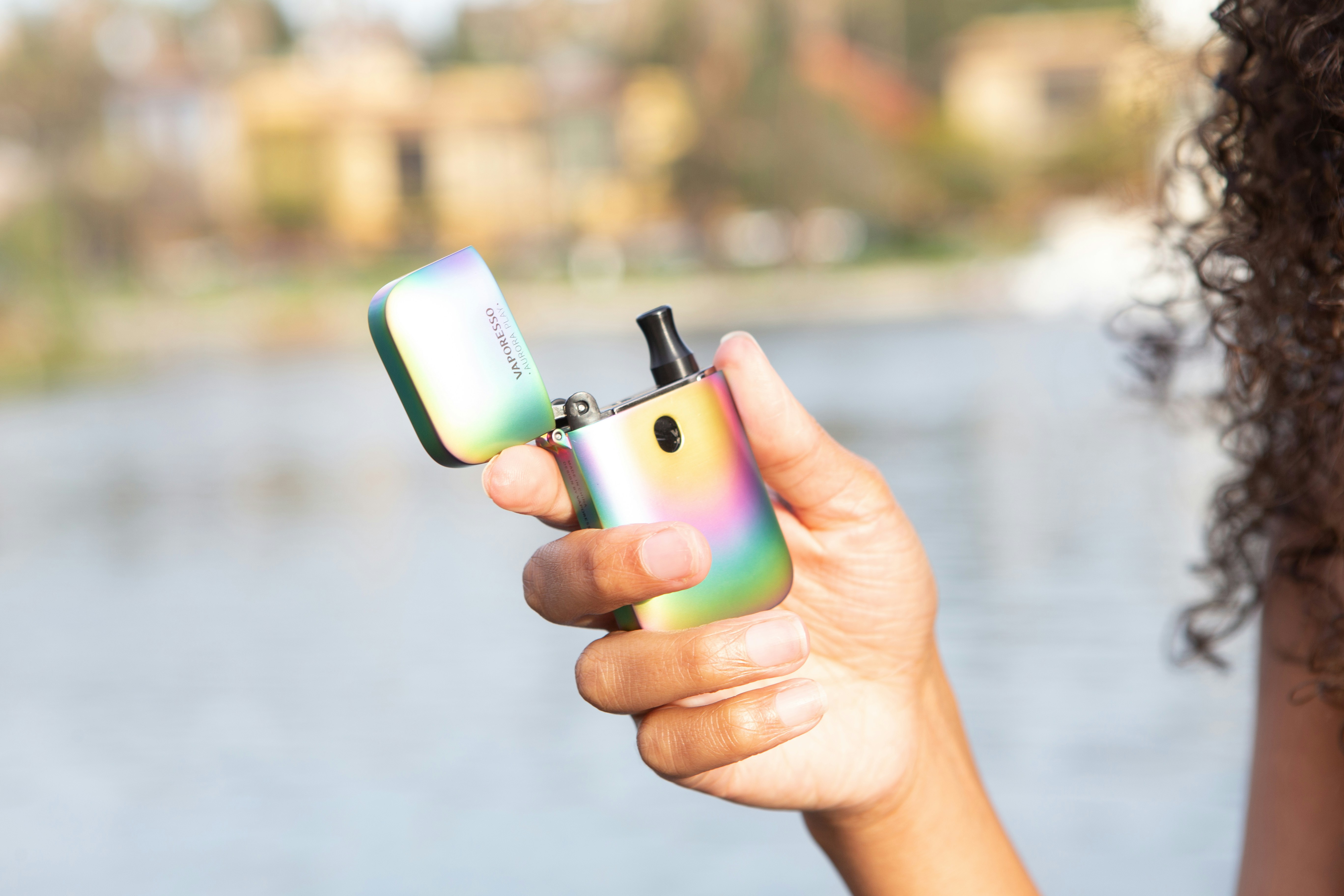
- Vaping: A growing concern, particularly with nicotine and THC, as many teens perceive these products as less harmful than traditional smoking.
Understanding these substances can help you identify potential issues with your teen.
Recognizing Adolescent Addiction Red Flags
Identifying teen drug signs is not always straightforward. Typical teenage behavior, like mood swings, privacy, and shifting interests, can sometimes mask more serious issues. Here are some behavioral changes in teens associated with drug abuse to look out for:
- Increased secrecy: If your teenager suddenly becomes secretive about their room or whereabouts, it may signal a problem. You may even ask yourself, “Why is my teenager suddenly so secretive about their room?”
- Changes in peer groups: A shift in friendships, particularly towards older peers or those engaged in risky behaviors, can be a major red flag.
- Academic decline: A sudden drop in grades and teen substance use often go hand-in-hand. Look for signs of disengagement from school activities or frequent absences.
- Mood swings: While some moodiness is normal, extreme or rapid mood swings may indicate substance use. Ask yourself, “Are rapid mood swings normal puberty or drug use?”
Physical Signs of Teen Drug Use
Understanding the physical signs of teen drug use can provide further clarity. Here are some common indicators:
- Bloodshot eyes: Particularly associated with cannabis use
- Changes in appetite: Sudden weight loss or gain can be a sign of teen substance abuse
- Poor hygiene: Neglecting personal care can indicate deeper issues
Physical Symptoms of Teenage Vaping Addiction
Complaints of dry mouth or recurrent nosebleeds can be signs of vaping.
Environmental Clues and Drug Paraphernalia
Many parents worry about what to look for in their teen’s environment. Here’s a drug paraphernalia guide to help you identify potential signs:
- Common items: Look for rolling papers, pipes, or unusual containers that may be used to hide drugs.
- Hiding spots: Teens can be creative; common hiding places include alarm clocks, shoes, and behind posters.
- Smells: Unfamiliar odors, whether sweet from vaping or pungent from cannabis, can indicate substance use.
What should I do if I find drug paraphernalia in my kid’s backpack? Open communication is key. It’s best to approach the subject calmly and express your concerns.
How to Talk to Your Teen About Drug Addiction
Open dialogue is essential when addressing teen mental health and substance use. Here are some tips on how to talk to your teen about drug addiction:
- Be non-judgmental: Create a safe space for your teen to share their feelings and experiences without fear of punishment.
- Listen actively: Show genuine interest in their thoughts and feelings.
- Educate together: Discuss the risks associated with drug use and the impact on their future.
By fostering an open line of communication, you can help your teen feel supported and understood.
When to Seek Professional Help
Recognizing when to seek professional help is crucial. If you notice persistent adolescent addiction red flags, such as behavioral changes, mood swings, and physical symptoms previously mentioned.
It may be time to consult a mental health professional. Understanding when to seek professional help for a teen on drugs can provide your family with the support needed to navigate these challenges.
Empowering Yourself as a Parent
Being proactive and informed about teen drug use can make a significant difference in your teenager’s life. By recognizing adolescent addiction red flags, understanding the signs of substance use, and maintaining open communication, you can create a supportive environment that encourages healthy choices.
If you or someone you know is struggling with substance abuse, Mountainside can help. We offer individualized and comprehensive treatment that meets people where they are. Speak with an admissions specialist today to discover your options!