
Surviving a drug overdose is a profound medical crisis that hinges on recognizing symptoms and the immediate use of Naloxone/Narcan to reverse fatal respiratory depression. Beyond the immediate reversal, the body and mind endure significant trauma, including potential long-term brain damage, other organ complications, and psychological distress. While recovery is a complex journey involving emergency detox, comprehensive addiction treatment, and managing lasting physical and emotional effects, it ultimately offers a path for survivors to heal and rebuild their lives.
Surviving a drug overdose is a harrowing experience, a collision with mortality that leaves many grappling with a second chance they never expected. It’s a medical crisis, yes, but it’s also a turning point. An overdose is a moment that demands understanding, compassion, and a clear path forward. If you or someone you love is facing the aftermath of a non-fatal overdose or struggling with addiction, read on to learn more about the reality of overdose survival, from the crucial moments of opioid reversal to the complex journey of physical and emotional healing.
Understanding Overdose and the Race Against Time
Overdose survival hinges on recognizing the signs. Are you familiar with overdose symptoms? They can include
- Unconsciousness or inability to wake up
- Very small, constricted pupils
- Slow, shallow, or stopped breathing
- Blue or purple skin, especially around the lips and fingernails
- Faint or absent heartbeat
- Vomiting or gurgling sounds
- Inability to speak
- Limp body
Time is critical. Brain cells begin to die within minutes of oxygen deprivation. That’s why calling emergency services immediately is paramount. Don’t hesitate; “Good Samaritan” laws in many places protect you from legal repercussions when seeking help.
Naloxone: A Lifeline in the Midst of Crisis
Opioids, including heroin, prescription painkillers, and fentanyl poisoning, work by binding to receptors in the brain that control vital functions, including breathing. In overdose, they overwhelm these centers, causing breathing to slow dangerously or stop altogether.
This is where Narcan/naloxone becomes a game-changer. It’s an opioid antagonist, meaning it blocks the effects of opioids on the brain, rapidly reversing respiratory depression and restoring normal breathing, often within minutes. It works regardless of the specific opioid involved, offering a crucial window of opportunity.
Naloxone is available as a nasal spray or injection, making it relatively easy to administer even by untrained individuals. However, its effects are temporary, lasting only 30 to 90 minutes. Because many opioids, especially fentanyl, remain active in the body longer, the opioid reversal effects can wear off, and the person can relapse into overdose. This highlights the critical importance of calling emergency services, even after administering naloxone.
The experience of being revived with naloxone can be disorienting. What does it feel like to be brought back with Narcan? Some report confusion, memory gaps, and intense withdrawal symptoms. This sudden shift from opioid stimulation to opioid blocking can trigger acute opioid withdrawal, characterized by body aches, rapid heart rate, sweating, nausea, anxiety, and tremors. If you administer Narcan, be aware that the person may not be happy when they wake.
The Physical Toll: Beyond the Immediate Crisis
The physical impact of surviving an overdose extends far beyond the initial moments. The body endures significant trauma, particularly from oxygen deprivation. Be aware of potential complications:
- Aspiration pneumonia: Inhaling stomach contents into the lungs
- Pulmonary edema: Fluid buildup in the lungs
- Acute lung injury: Sudden difficulty breathing
- Kidney damage: From dehydration, poor blood flow, or rhabdomyolysis (muscle tissue breakdown)
- Heart problems: Irregular heart rhythms or even a heart attack
The Shadow of Brain Damage
Perhaps the most concerning long-term consequence is the potential for long-term brain damage from drug overdose. The brain is incredibly sensitive to oxygen deprivation, and the extent of damage depends on the duration and severity of hypoxia.
Specific brain regions, like the hippocampus (crucial for memory) and the basal ganglia (coordinating movement), are particularly vulnerable. This can lead to memory problems, movement disorders, and cognitive decline.
How long does it take for the brain to heal after an overdose? The timeline varies greatly. Some show dramatic improvement, while others experience plateaus with permanent deficits.
Emergency Detox and the Crucial First 24 Hours
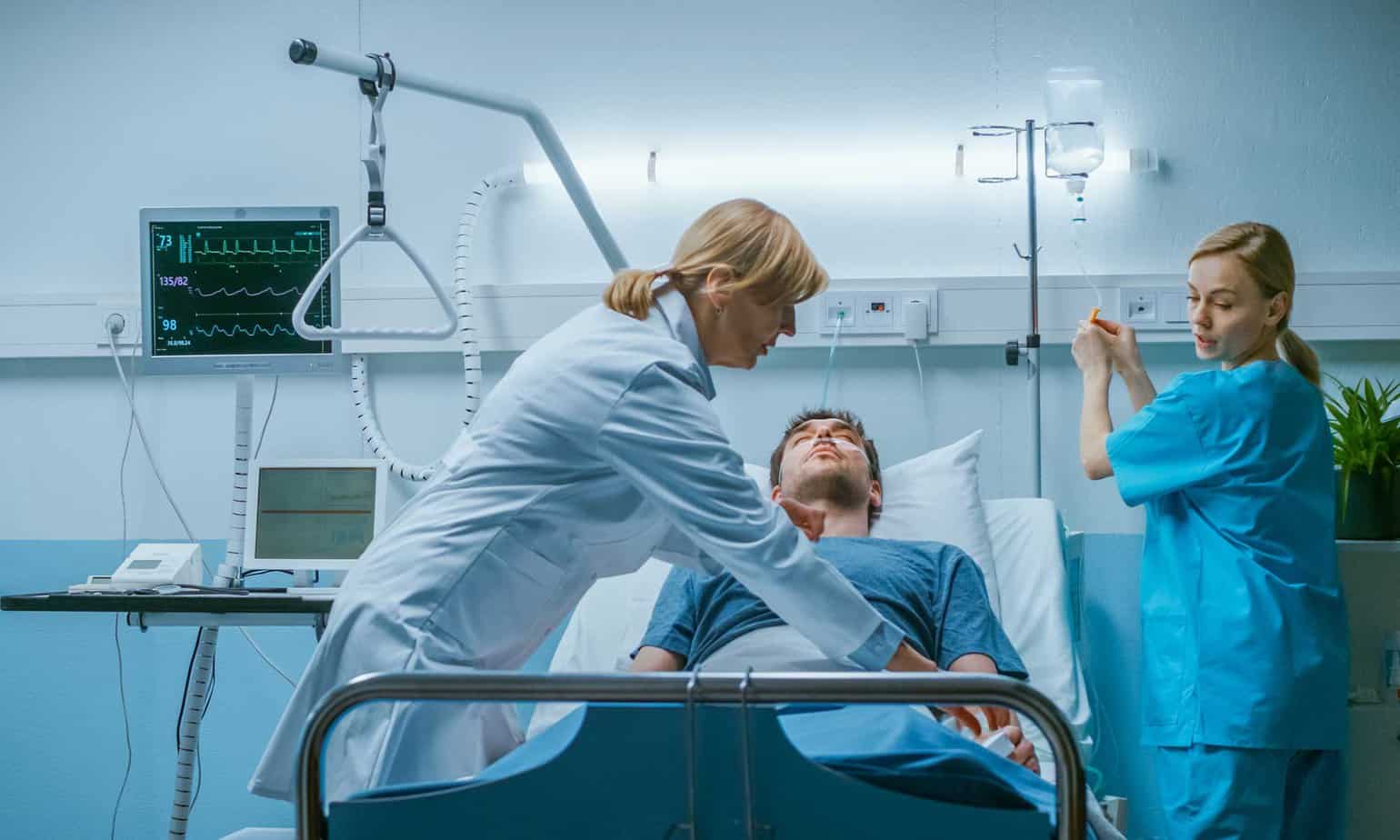
Emergency detox in the hospital involves medical stabilization. Doctors will run blood work to assess organ function, perform EKGs to check heart function, and monitor vital signs.
What should I do in the first 24 hours after surviving an OD? Stay under medical observation. Don’t leave the hospital against medical advice. This is when serious complications can develop. Connect with social work or addiction specialists to discuss treatment options.
The Invisible Wounds: Psychological Trauma
The psychological trauma of nearly dying from drugs can be profound. Many experience post-traumatic stress symptoms, including flashbacks, nightmares, anxiety, and hypervigilance.
Even witnessing an overdose can be traumatic. The most effective approach involves trauma-informed care, recognizing that behavior changes may be adaptive responses to psychological injury.
Addiction Recovery: A Path to Healing
Addiction recovery requires understanding that addiction is a medical disease, not a moral failing. Effective treatment often involves medication-assisted treatment (MAT), such as methadone, buprenorphine (Suboxone), or naltrexone.
Behavioral therapy, peer support groups, and addressing underlying trauma, mental health conditions, and social needs are equally important.
Harm Reduction: Minimizing Risk
Harm reduction recognizes that reducing the harms associated with substance use is a valid goal, even if use continues.
Practical strategies include
- Never using alone
- Carrying naloxone
- Testing drugs with fentanyl test strips
- Starting with smaller amounts
- Avoid combining opioids with other depressants like alcohol or benzodiazepines
Post-Overdose Complications: What to Watch For
Understanding post-overdose medical complications to watch for helps survivors and families catch problems early. These include
- Difficulty breathing, cough, or blood-tinged sputum
- Chest pain or pressure, irregular heartbeat
- Difficulty urinating, changes in urine color
- Neurological changes
- Severe headaches, stiff neck, fever, or confusion
- Seizures
Organ Failure & Drug Overdose: A Silent Threat
Organ failure risk after surviving a drug poisoning is a serious concern. The liver, kidneys, and gastrointestinal tract can all suffer damage.
Life Expectancy: Hope Amidst the Statistics
Life expectancy after surviving multiple overdoses is a sobering topic. Those who survive one overdose are at elevated risk of experiencing another.
However, this is not destiny. With appropriate treatment and support, people can achieve sustained recovery and normal life expectancy.
Is Full Recovery Possible?
Can you fully recover from a drug overdose? Sometimes, but often not completely. Full recovery is possible, but many experience lasting effects.
Supporting a Loved One: A Path of Compassion
How to support a loved one after a non-fatal drug overdose requires understanding and compassion. Focus on medical needs, listen without judgment, and express your support for their recovery.
Finding Support and Community
How do I find a support group for overdose survivors? Narcotics Anonymous, SMART Recovery, and local harm reduction organizations offer peer support.
If you or someone you know is struggling with substance abuse, Mountainside can help. We offer individualized and comprehensive treatment that meets people where they are. Speak with an admissions specialist today to discover your options!